

You’re not alone if you’ve noticed your cosmetic brand’s declining user stickiness in the Chinese market.
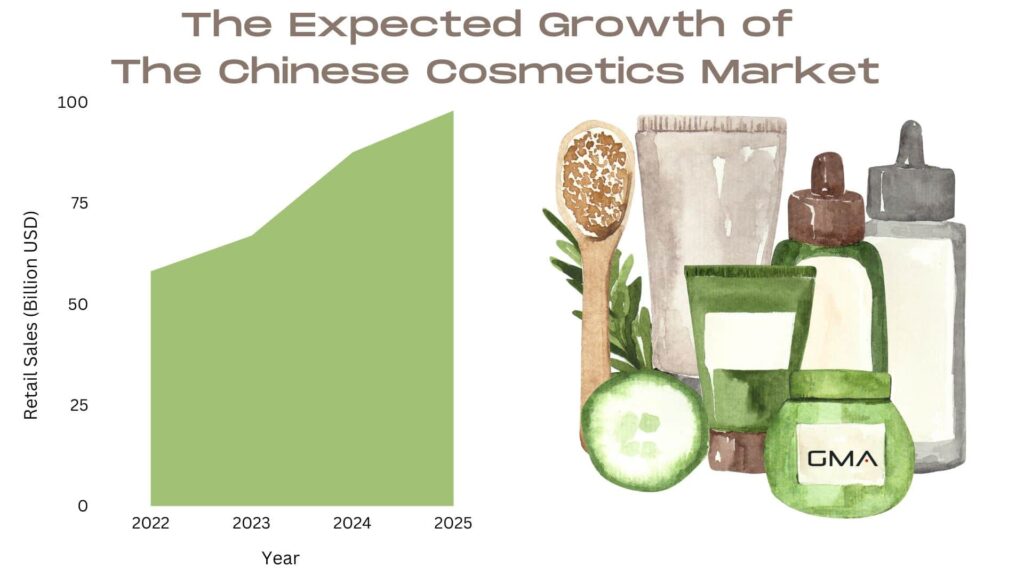
In recent years, the cosmetics industry in China has experienced tremendous growth, making it a highly competitive market. To stand out and build a loyal customer base, it is essential to understand the unique preferences and behaviors of Chinese consumers.
This article is packed with proven strategies and insights specifically tailored to help you build a loyal customer base for your beauty brand in China. Stay tuned – better days for your cosmetics business are just around the corner!
Key Takeaways
- Offering sample products is an effective strategy to build customer loyalty in China’s competitive cosmetics market. Chinese consumers love free samples, and it creates an emotional connection and influences their purchasing behavior positively.
- Creating an exclusive VIP club can foster deeper connections with loyal customers, offering them access to new products and special offers. Luxury cosmetic brands in China use platforms like WeChat to launch these clubs and enhance customer satisfaction.
- Embracing customized beauty products tailored to gender-specific needs can boost brand loyalty among Chinese consumers. Leveraging technology further enhances this personal touch, targeting the preferences of Gen Z customers who value customization.
- User – generated content (UGC) is a powerful marketing tool in China’s digital landscape. Encouraging customers to share their experiences through reviews, testimonials, or user photos builds trust among potential buyers and fosters a more authentic connection with the audience.
Strategies to Build Customer Loyalty in China
To build customer loyalty in China, offer sample products, create an exclusive VIP club, provide customized products, encourage user-generated content (UGC), and foster a community of users.
Offering sample products
In China’s competitive cosmetics market, one effective strategy to use to foster customer loyalty is offering sample products. Chinese consumers have a strong affinity for free samples, and this approach can sway them toward your brand.
Providing testers helps to establish an emotional connection, entice consumer preferences, and positively influence their purchasing behavior.
It also allows customers to have a hands-on experience with the product before making a commitment to purchase. Additionally, creating loyalty programs on popular social media platforms like WeChat can further strengthen the bond between consumers and my brand.
Understanding consumer relationships comes easy once you grasp their interest by offering what they value—free yet quality samples that meet their needs!
Exclusive VIP club
Having an exclusive VIP club can greatly enhance customer retention efforts. This strategy allows brands to offer exclusivity and build stronger connections with loyal customers. It creates a sense of being part of an elite group and promotes increased engagement with the brand.
A VIP club goes beyond providing early access to products; it also rewards customer loyalty with special offers and personalized service. In China, luxury cosmetic brands utilize platforms like WeChat to launch these clubs, leveraging technology to enhance customer satisfaction and loyalty.
Customized products
Embracing the trend of personalized beauty products can be a game-changer in boosting brand loyalty among Chinese consumers. Effortless and other brands are leading the way by offering customized formulas that cater to gender-specific needs.
This approach not only respects cultural differences but also caters to individual preferences in this diverse market. Leveraging technology, luxury skincare brands are utilizing automated Salesforce customer journeys and ChatLabs to enhance the personal touch and provide a more targeted approach.
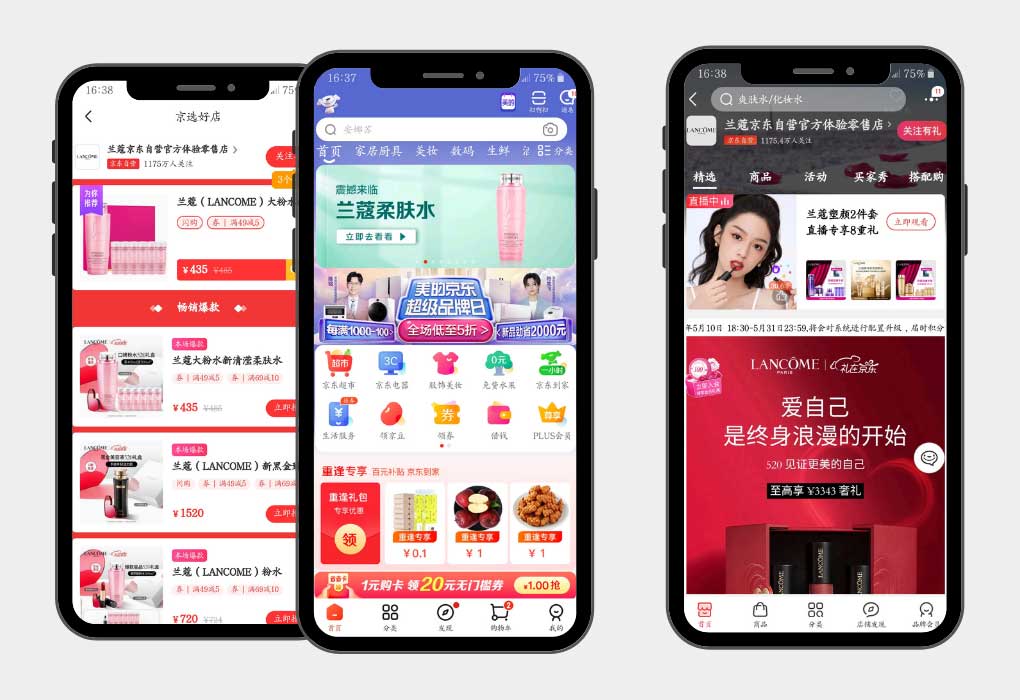
Offering specialized product lines is not just about meeting customer demand, but also about establishing meaningful connections with Chinese Gen Z customers who highly value customization.
User-Generated Content (UGC)
User-generated content (UGC) is a powerful tool in China’s digital landscape for establishing brand loyalty and increasing community participation. By incorporating UGC into your marketing strategy, you can drive engagement and boost sales, particularly in the fashion and beauty industry on platforms like Xiaohongshu (RED).
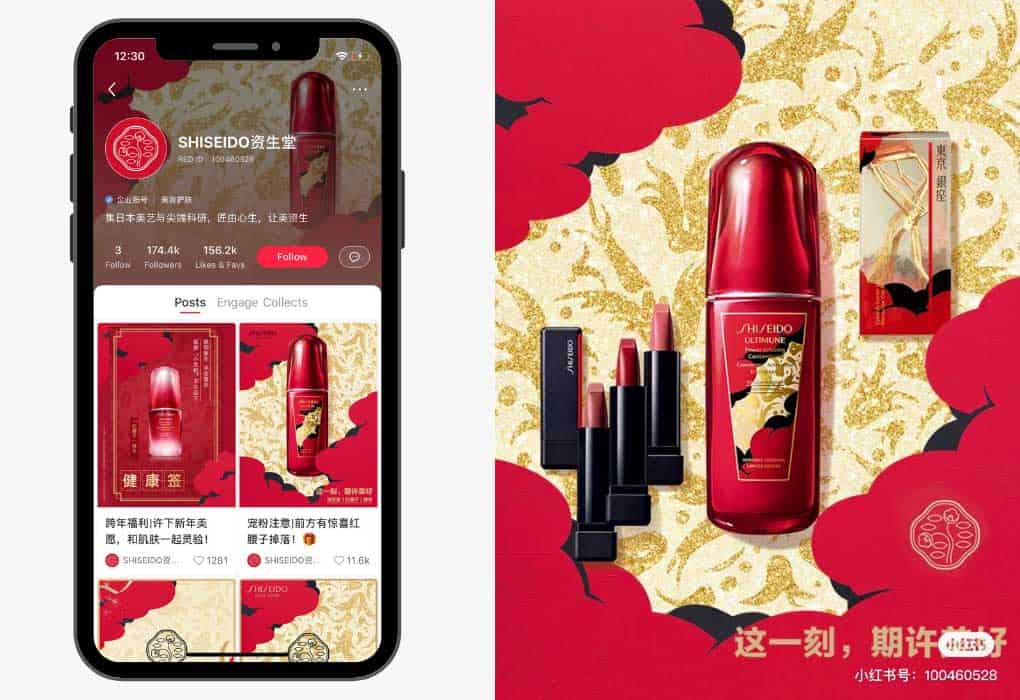
Encouraging customers to share their experiences through reviews, testimonials, and user photos allows you to leverage social proof and build trust with potential buyers.
UGC also fosters a more authentic connection with your audience, as they feel involved in your brand’s story. Therefore, it is important to utilize UGC in your marketing efforts to cultivate brand loyalty and connect with Chinese consumers on a deeper level.
Creating a community of users
Building a community of users is a vital strategy for developing customer loyalty in China, especially for beauty brands. Here are some ways to create this community:
- Establishing a network of users: Connect with customers through social media platforms and forums dedicated to beauty discussions.
- Fostering emotional connections: Share stories and personal experiences that resonate with your target audience, creating a sense of belonging.
- Encouraging aftersales participation: Engage with customers after their purchase, providing support and incentives for them to share feedback and reviews.
- Implementing loyalty programs: Reward customers for their continued support, offering exclusive perks and discounts for loyal members.
- Utilizing data-driven strategies: Analyze customer data to personalize interactions, tailoring marketing messages based on individual preferences.
- Targeting Chinese Gen Z consumers: Understand the unique needs and interests of this demographic, engaging them through social media and influencer partnerships.
Managing a Community in China
To effectively manage a community in China, utilize tools like social media platforms and online forums to engage with customers on a regular basis. Foster a sense of belonging and loyalty by actively participating in conversations, responding to feedback, and addressing customer concerns promptly.
Tools to manage community
To effectively manage a community and build a loyal customer base for your cosmetics brand in China, here are some essential tools:
- Social media platforms: Utilize popular Chinese social media platforms like WeChat, Weibo, and Douyin to reach and engage with your target audience.
- Customer engagement: Encourage active participation from customers by responding promptly to their comments, questions, and feedback.
- Dialogue: Foster two-way communication by initiating conversations with your customers through polls, surveys, contests, or live chat features.
- Content creation: Regularly produce engaging content that resonates with your audience’s interests and addresses their pain points. This can include informative articles, tutorial videos, or user-generated content.
- Customer retention: Implement loyalty programs to reward and incentivize repeat purchases. Offer exclusive discounts, promotions, or early access to new products for loyal customers.
- Digital marketing: Leverage the power of digital advertising to target specific demographics and increase brand awareness among potential customers.
- E-commerce integration: Integrate your community management efforts with your e-commerce platform to provide a seamless shopping experience for your customers.
- Customer relationship management (CRM): Use CRM systems to organize customer data, track interactions, and personalize marketing efforts based on individual preferences.
Localization of marketing strategy
To effectively engage Chinese consumers and build a loyal customer base, international cosmetics brands should adapt their marketing strategies to the local market.
This involves understanding and catering to the unique needs and preferences of Chinese consumers, which can vary by region. By localizing the marketing strategy, brands can build resonance and trust among Chinese customers.
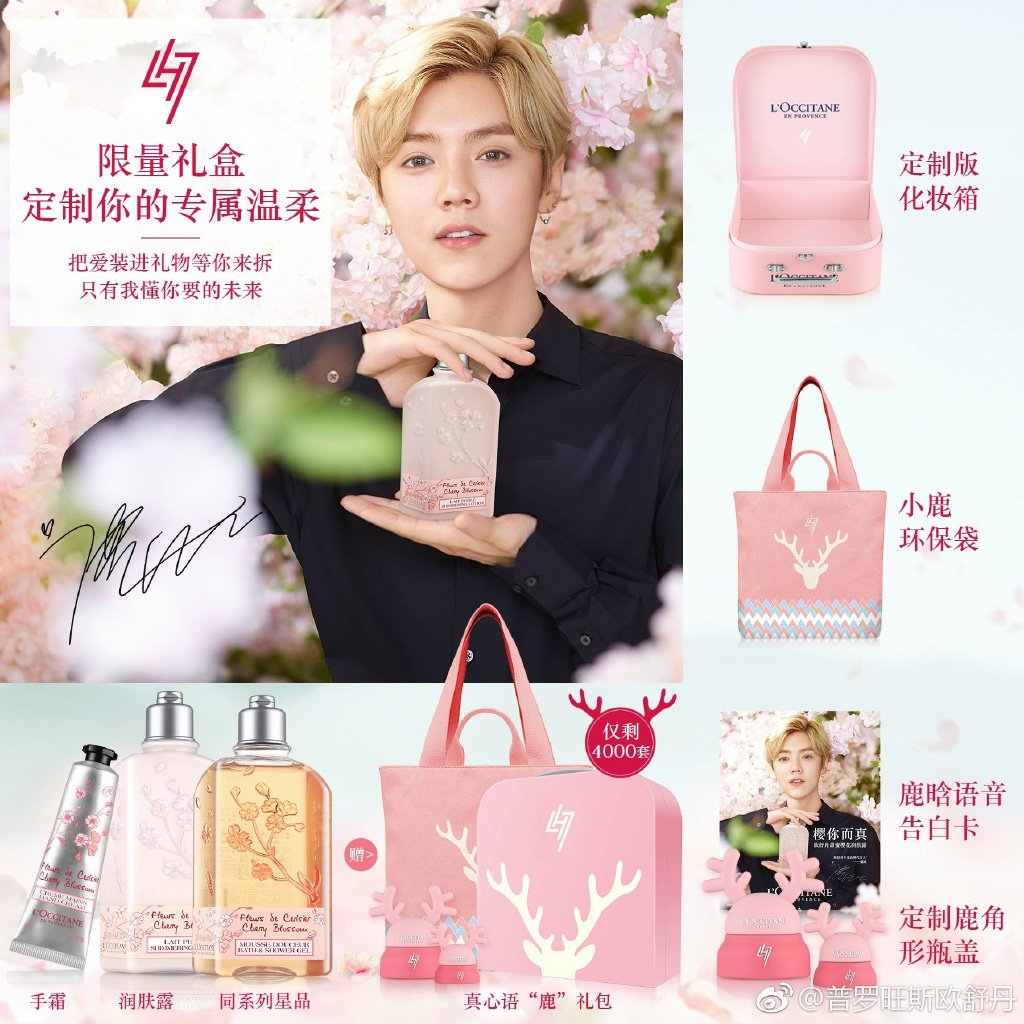
This may include customizing e-commerce platforms, optimizing the supply chain for online sales growth in China, and creating community-based marketing initiatives that tap into key values of togetherness.
It is important to consider cultural adaptation when targeting the Chinese market as successful marketing strategies in China often foster positive brand associations.
Beauty Trends to Engage Chinese Customers
In China, the beauty industry is heavily influenced by digital platforms and Gen Z and millennial consumers who are interested in new and modern products that emphasize reliability.
Emphasis on digital
In today’s digital age, cosmetics brands must prioritize digital marketing strategies to engage Chinese customers. Online shopping is the preferred method for Chinese beauty shoppers, so brands need a strong online presence. Utilizing techniques like social media marketing and product promotion can build brand recognition and boost sales.
Establishing trustworthiness through authenticity verification and showcasing reliable products is also important. Brands can connect with Chinese consumers and create engaging content through social media platforms like WeChat and Weibo. Digital channels allow brands to showcase new products aligned with current beauty trends in China.
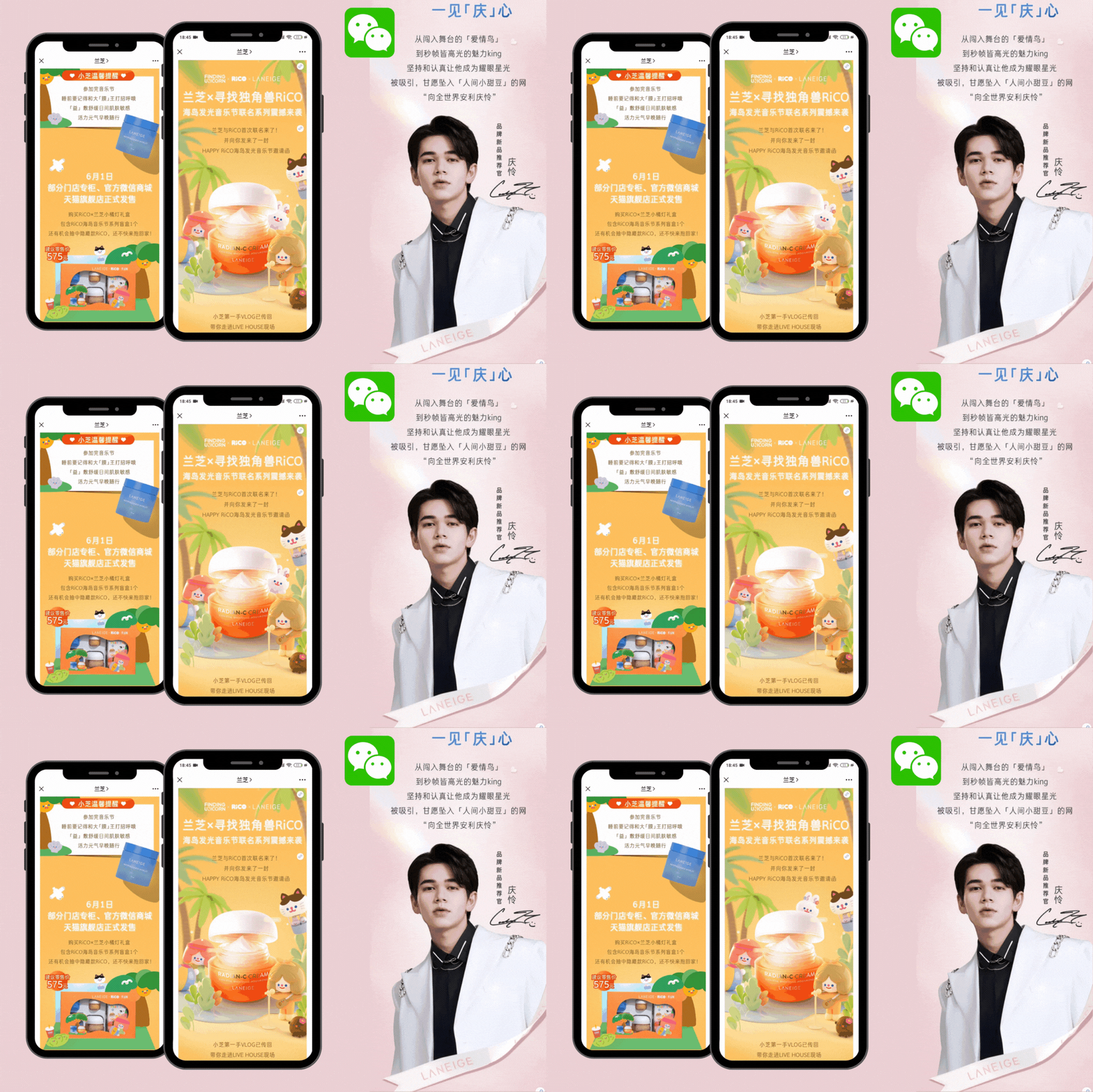
Continuous updates to the product lineup are crucial as Chinese beauty consumers seek innovative and unique offerings. Additionally, digital platforms enable direct engagement with consumers through user-generated content, fostering a sense of community.
Interest in new and modern products
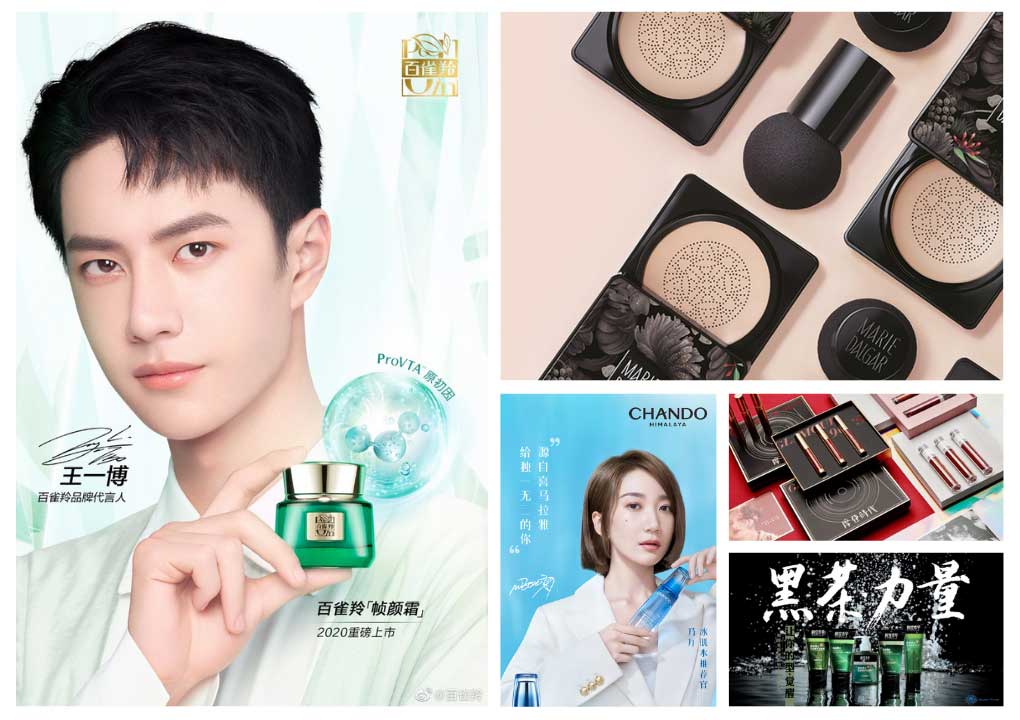
Chinese beauty consumers are highly interested in new and modern beauty products.
They actively search for the latest trends and innovations in the industry, making it important for brands to stay ahead. This applies to both international and domestic brands, as Chinese consumers are drawn to fresh and exciting products.
To attract and retain Chinese customers, cosmetics brands need to continuously innovate and introduce new products that align with current beauty trends.
Importance of reliability
In the cosmetics industry in China, reliability plays a crucial role in building customer loyalty. Beauty brands can enhance their reliability and gain the trust of potential customers by offering sample products.
This is particularly important due to the influence of environmental concerns on consumer preferences in China’s beauty market. With younger and more informed consumers driving the growth of domestic beauty brands, reliability becomes even more essential for attracting and retaining customers.
Despite the risks involved in transformation or potential price increases, C-beauty brands have a significant opportunity to cultivate loyal consumers.
It is also important for brands to understand and engage with China’s Generation Z, who are digital natives, in order to tap into the next wave of consumption growth by building brand trust and loyalty through reliability.
We Can Help You To Build A Loyal Customer Base For Your Cosmetics Brand!
Building a loyal customer base for your cosmetics brand in China is crucial for long-term success. By implementing strategies such as offering sample products, creating an exclusive VIP club, and utilizing user-generated content, you can cultivate a dedicated following in the Chinese beauty market.
Additionally, by understanding the unique preferences of Chinese consumers and leveraging digital marketing tools, you can effectively engage with Gen Z and millennial customers and foster customer loyalty.
With these tactics in place, your cosmetics brand can thrive in the competitive Chinese market.
Collaborating with an agency specialized in the Chinese market is the best way to achieve your goal and increase your Return On Investment. As all companies are different, the marketing and advertising strategy must be tailored according to their needs and within their financial means.
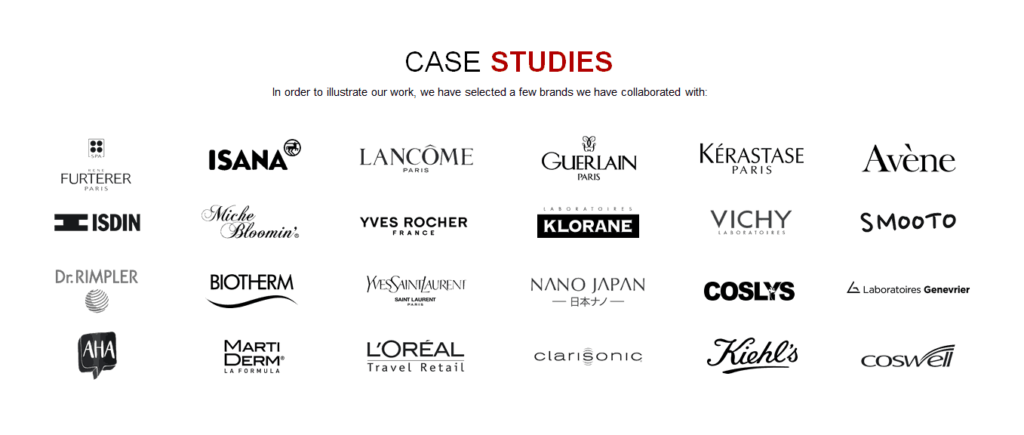
Proud of the success of the companies we have helped over the years, we know exactly what a certain company needs.
Thus, if you have questions about selling, advertising, exporting, etc. your cosmetics in China, contact us directly, and we will reply to you within 24 hours.