Are you struggling to find the right platform for reaching male beauty consumers? Trust me, there is an app that might be the answer to this growing trend. After digging deep into the Chinese social media scene, it’s clear that Douyin – TikTok’s Chinese counterpart – is becoming a hub for men’s skincare and grooming content.
Follow along as we uncover why Douyin might just be THE game-changer in the male beauty market!
Key Takeaways
- Douyin, also known as TikTok in China, is becoming a hub for male beauty content due to a cultural shift in beauty standards and a growing demand for male beauty products.
- China’s male beauty market in Douyin has seen significant growth, with sales increasing by 365% within a year.
- International male beauty brands are adapting their marketing strategies on Douyin by localizing their products and leveraging the platform’s key features such as user-generated content, video sharing, livestreaming, and targeting Gen Z consumers.
- To effectively reach male beauty consumers on Douyin, brands should tailor their content specifically for this audience, collaborate with key opinion leaders (KOLs), and take advantage of interactive live video streaming.
Male Beauty Market in China
The male beauty industry in China has seen significant growth in recent years. Back in 2020, the market was valued at 15.6 billion yuan, and by 2025, it’s projected to exceed 21.3 billion yuan.
Several factors are fueling the male beauty era. Men in China are evolving their views on masculinity to include personal grooming and male skincare. Additionally, as incomes rise, there’s more disposable cash available for male cosmetics and self-care products. Furthermore, there’s an overall increased awareness and interest in personal grooming among Chinese men.
Even international celebrities like David Beckham are influencing the market. Beckham, once criticized for his personal grooming expenses, now champions the cause with his own beauty brand, House 99, in collaboration with L’Oréal Luxe. The product range is vast, from basic grooming essentials to specialized items like tattoo care sprays.
Given L’Oréal’s substantial investment in male beauty, it’s evident that the outdated notion that grooming and beauty are only for women no longer holds. In contemporary China, men are embracing beauty routines and products with enthusiasm and pride.
The Rise of Male Beauty Content on Douyin
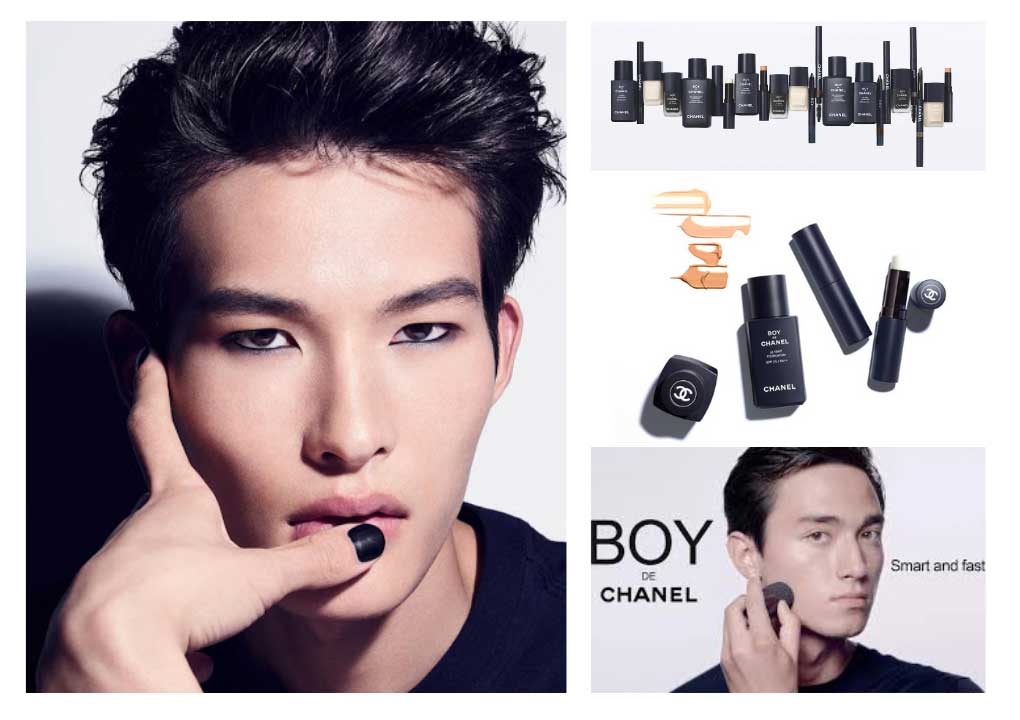
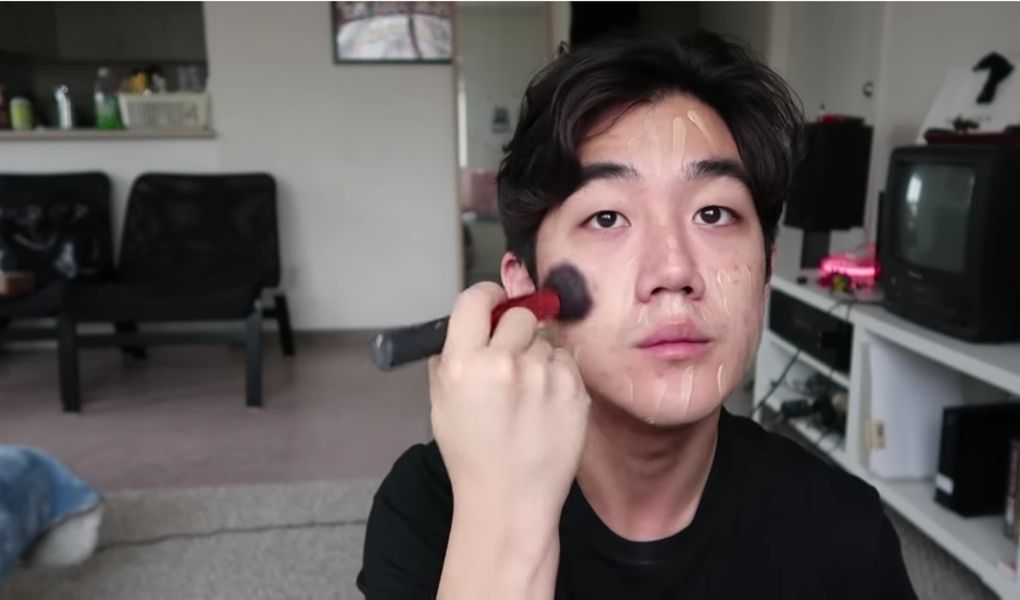
Beauty standards are changing in China. Men now care more about how they look. This shift in beauty ideals comes from a trend on Douyin. The “Douyin Makeup” trend celebrates Asian features, and many people love it! It is not just women who are trying this new look.
More men are using makeup to improve their looks too. Now, the idea of what is beautiful has changed for men in China. This change has helped to grow the male beauty market fast! Influencers and male beauty bloggers also help push this change forward.
They show that it’s okay for men to wear makeup and care about their looks.
Impact on male beauty market growth
The male beauty market is booming. More men are buying makeup on Douyin than ever before. Sales have shot up by 365 percent in just one year. This isn’t a passing fad either. Chinese men keep finding new ways to express themselves with beauty products.
New ideas about what it means to be a man are playing a big part in this shift. Men aren’t afraid to take care of their skin anymore or try out cosmetics like eyeliner and lipstick.
Their bold moves are putting money into the pockets of those who sell men’s make-up and skincare goods in all male beauty categories.
Chinese male beauty consumers
In China, more men are buying beauty products. These are not just skincare items; they also buy make-up, hair care things, and perfumes. A big study tells us this new trend. It says that Chinese men want to look good too! They spend a lot of time on Douyin, a popular app in China.
They check makeup tutorials, beauty tips, and recommendations for products on the app. Thanks to influencers like Li Jiaqi, who shows lipsticks for men, they are not shy to look for such content but rather embrace it as a new, healthy trend.
How international brands are adapting
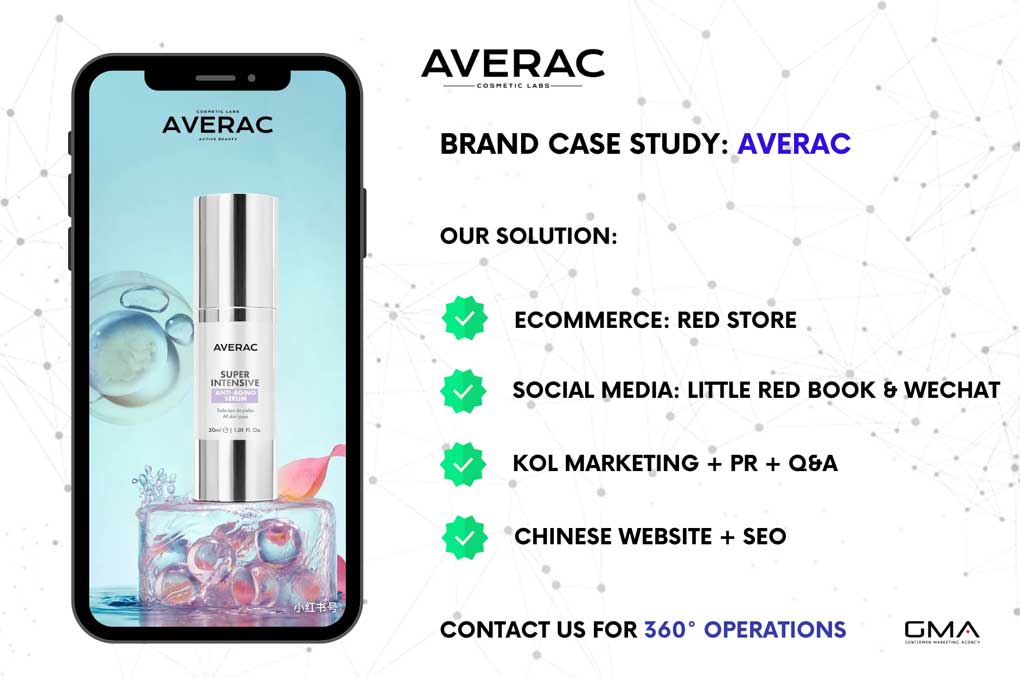
As international beauty brands navigate the rise of male beauty content on Douyin, they are faced with unique challenges and opportunities. With offline sales being impacted by COVID-19 lockdowns and decreased foot traffic in retail stores, brands are focusing on adapting their marketing strategies to the digital landscape.
One key approach is product localization, ensuring that their offerings cater to the specific needs and preferences of Chinese male consumers. By understanding the cultural shifts in beauty standards and leveraging the platform’s key features, international brands can effectively reach their target audience and thrive in the male grooming market on Douyin.
Douyin as a Platform for Male Beauty Content
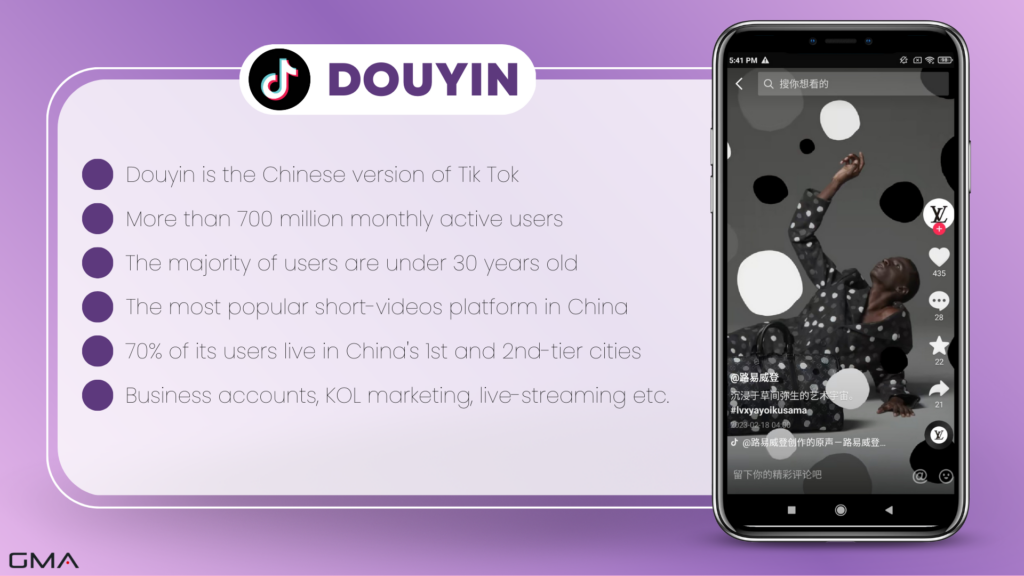
Douyin offers a unique platform for male beauty content, with its key features and strategies for reaching male beauty consumers. Learn how successful brands are leveraging Douyin to tap into the growing market of male grooming in China.
Important features for male beauty brands
- User-generated content: Douyin is based on user-generated content, which means that users can create and share their own videos and photos showcasing their beauty routines, makeup looks, and skincare tips. This allows for a diverse range of content from real people.
- Video sharing: One of the main features of Douyin is its video-sharing capabilities. Users can create short-form videos, usually ranging from 15 to 60 seconds, to showcase their beauty skills and products. This format is perfect for quick tutorials or product reviews.

- Livestreaming: Douyin also allows users to live stream their beauty routines or engage with their followers in real-time. This interactive feature provides an opportunity for brands and influencers to directly engage with their audience and answer questions.
- Popular among Gen Z: Douyin has gained immense popularity among younger generations, especially Gen Z. This means that brands targeting this demographic have a higher chance of reaching their target audience through the app.
- Visual focus: With its emphasis on short videos and photo sharing, Douyin is a highly visual platform. Beauty brands can leverage this by creating eye-catching visuals that capture attention in the feed and entice users to engage with the content.
Strategies for reaching male beauty consumers
To effectively reach male beauty consumers on Douyin, it is important to understand their preferences and behaviors. One strategy is to tailor your content specifically for this audience by focusing on male grooming, beauty trends, and skincare.
By creating engaging and informative videos that showcase the benefits of your products or services, you can attract the attention of male beauty enthusiasts.
Another effective strategy is to collaborate with key opinion leaders (KOLs) on Douyin who have a strong following in the male beauty community. These influencers can help increase brand awareness and credibility among their followers, as they are seen as trusted sources of information.
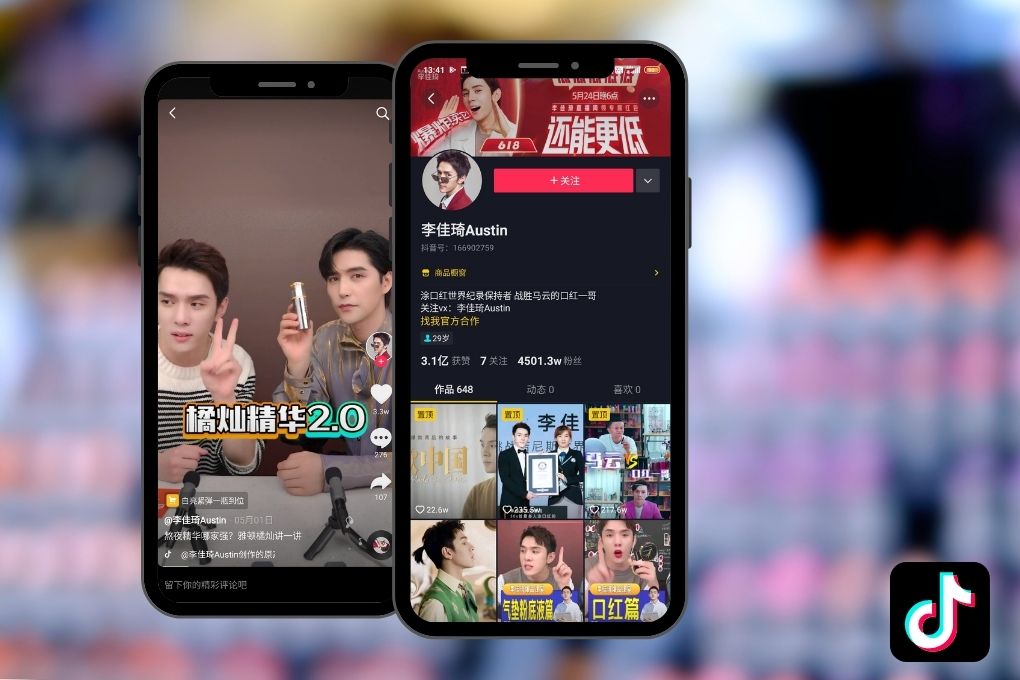
Furthermore, taking advantage of live video streaming on Douyin can also be a powerful way to engage with male beauty consumers. You can host interactive sessions where you demonstrate how to use your products or provide tips and tutorials related to male grooming.
This allows you to connect with your target audience in real-time while building a stronger relationship with them.
Importance of KOLs on Douyin
As a marketing manager, you should know that KOLs (Key Opinion Leaders) play a crucial role on Douyin when it comes to promoting male beauty content. Douyin is known for its immense power of beauty KOLs and their influence over the platform’s users.
These influencers have built a loyal following and can significantly impact consumer behavior. By partnering with KOLs, luxury brands and advertisers can carry out successful marketing campaigns on Douyin, reaching a wider audience and increasing brand visibility.
This is especially important because Douyin is also seen as a social commerce platform, where users can directly purchase products through the app. So, collaborating with influential KOLs can help drive sales and generate revenue for beauty brands.
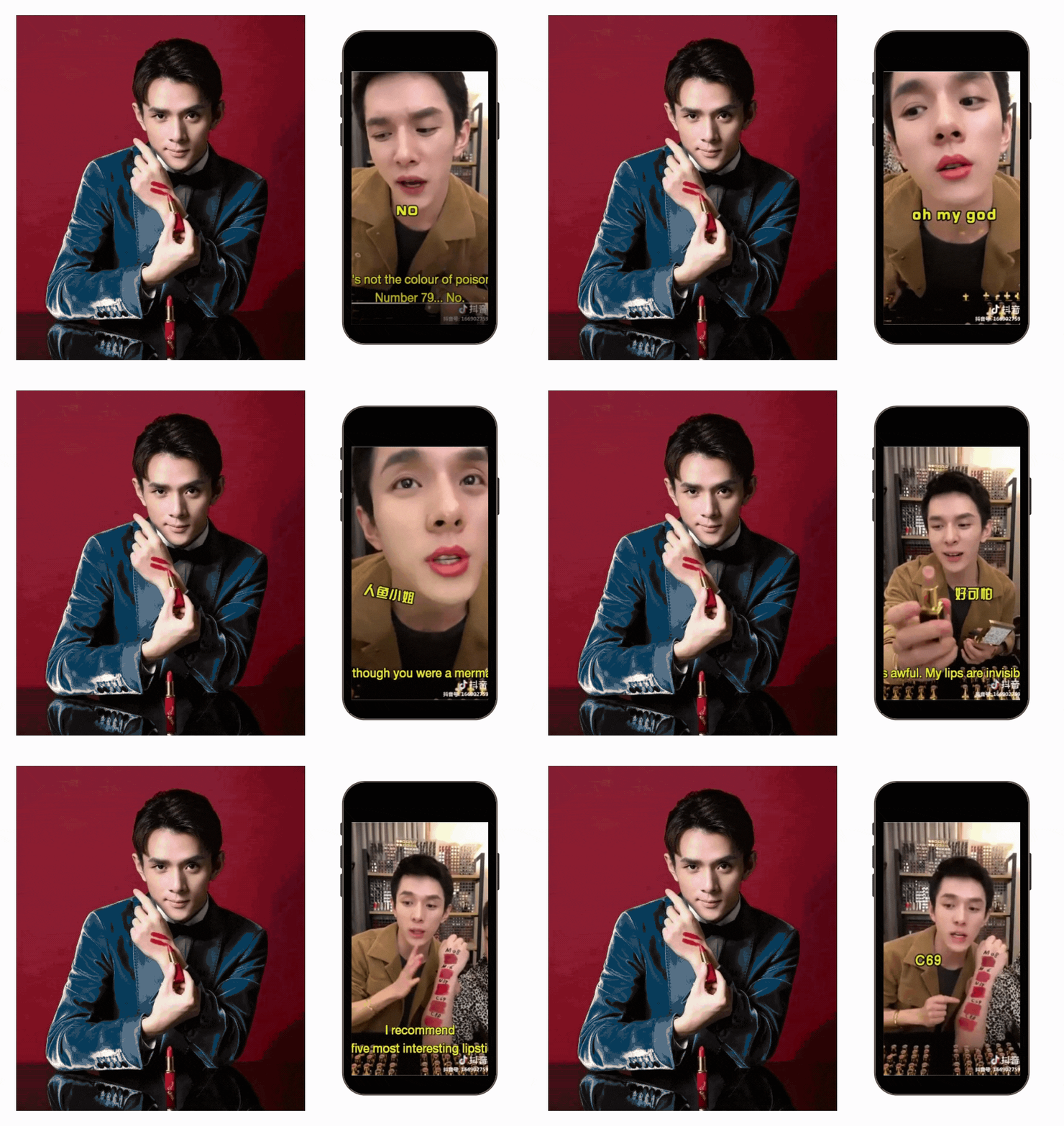
Additionally, another advantage of working with KOLs on Douyin is the presence of micro-influencers on the platform. These are individuals with smaller yet highly engaged followings who may be more relatable to consumers than big-name celebrities or macro-influencers.
Leveraging this type of Key Opinion Consumer (KOC) marketing strategy allows brands to connect with their target audience on a more personal level, building trust and credibility in the process.
Big brands like Audi, Pizza Hut, and Michael Kors have already recognized the importance of utilizing Douyin for their marketing campaigns. They have successfully collaborated with popular KOLs on promotions to increase brand awareness and engagement among users.
Success stories on Douyin
I’ve come across some impressive success stories on Douyin that highlight the platform’s marketing potential for male beauty content. Here are a few examples:
- Lancôme, a popular beauty brand, made a successful entry into Douyin by collaborating with over 20 top beauty influencers on the platform. This strategic partnership allowed Lancôme to reach a wide audience of male beauty consumers and generate significant engagement.
- L’Oréal Paris also capitalized on Douyin’s immense popularity by leveraging the platform’s short – video content format. They created engaging and informative makeup tutorials specifically targeting male users, which garnered high levels of viewer engagement and led to increased brand awareness.
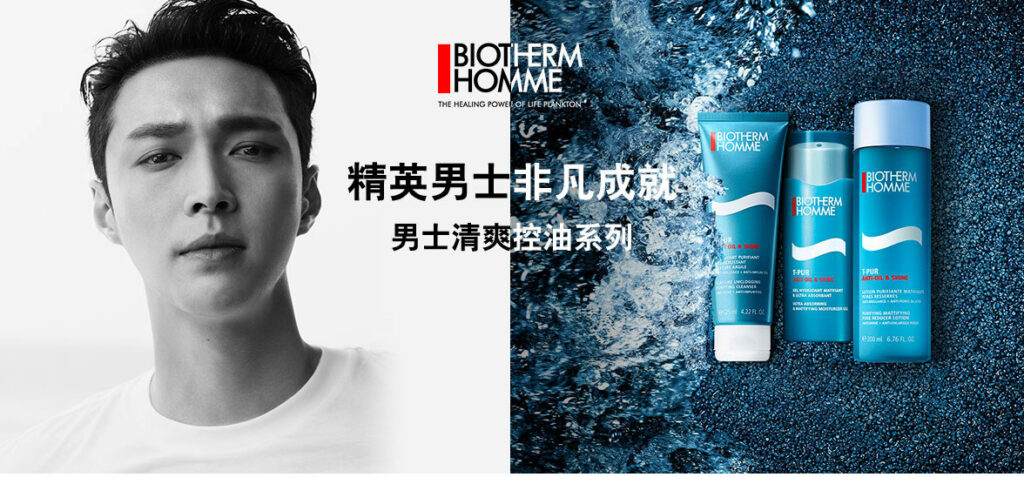
- Kiehl’s, a skincare brand known for its high – quality products, utilized Douyin to educate and engage male consumers about their range of skincare solutions. By partnering with popular male beauty influencers on the platform, Kiehl’s effectively showcased their products and built trust among their target audience.
- MAC Cosmetics embraced Douyin as a key marketing channel to promote their diverse range of makeup products aimed at male consumers. Through creative and visually appealing short videos, MAC Cosmetics captured the attention of their male audience and successfully drove sales through the platform.
- Neutrogena took advantage of Douyin’s social selling capabilities to launch new product campaigns targeted towards men. By generating hype around their innovative skincare products using interactive challenges and user-generated content, Neutrogena successfully increased brand loyalty among their male customers.
Opportunities and Challenges for Beauty Brands on Douyin
Beauty brands have a unique opportunity to tap into the growing male beauty market on Douyin, but they must also navigate the challenges of tailoring their content and marketing strategies to effectively reach this audience.
Benefits of marketing on Douyin
Marketing on Douyin has a substantial impact on enhancing brand visibility, driving e-commerce sales, and reaching a wider audience. Here’s a summary of the benefits of advertising on this dynamic platform:
| Benefits | Explanation |
|---|---|
| Wide Reach | With hundreds of millions of active users, Douyin provides an extensive reach for brands. Douyin’s diverse user demographic means that I can connect with a broad audience, from teenagers to adults. |
| Influencer Marketing | Douyin is home to numerous influential beauty bloggers and KOLs. Collaborating with them gives my brand an authentic voice that resonates with their followers. This significantly boosts my brand’s visibility and credibility. |
| User Engagement | The platform enables high user engagement. Users not only watch and share videos but also comment and engage with them. This interaction leads to more substantial relationships with consumers and drives e-commerce sales. |
| E-commerce Integration | Douyin seamlessly integrates e-commerce into its platform, allowing for in-app purchases. This makes the buying process more straightforward and more comfortable for consumers, leading to increased sales of my beauty products. |
| Adaptability | Douyin’s platform is customizable, allowing me to tailor my marketing approach to suit my brand’s personality and target audience’s interests. This customization leads to more effective marketing campaigns. |
Unique challenges and considerations
Many male beauty consumers on Douyin have specific expectations about how they should look, which can put pressure on both individuals and brands. It’s important to address these concerns and promote body positivity in your content.
Another challenge is tailoring your content for the Douyin audience. Chinese male beauty consumers have their own preferences and trends when it comes to grooming and beauty standards.
This means that you’ll need to do some research and understand what resonates with this specific group of people in the beauty industry.
Additionally, considering influencer partnerships is crucial for success on Douyin. Influencers or KOLs (Key Opinion Leaders) play a significant role in shaping trends and consumer behavior on the platform.
Tailoring content for the Douyin audience
To effectively reach the Douyin audience, it’s crucial for beauty brands to tailor their content. This means creating specific videos and posts that resonate with the platform’s predominantly young user base.
Since Douyin is a visual-focused platform, you’ll want to focus on creating visually appealing content that grabs attention. This could include showcasing your products in action or sharing tutorials on how to achieve certain looks.
It’s also important to align your brand with the right influencers on Douyin who have a similar target demographic as your brand. By partnering with these influencers, you can leverage their influence and reach to connect with the right audience.
Remember, when tailoring your content for the Douyin audience, keep in mind that they are primarily millennials who are looking for authenticity and relatability in their favorite brands.
Maximize Your Brand’s Potential with Douyin!
If you’re in the male beauty industry and looking to make waves in China, then Douyin is the platform you can’t afford to miss. As a Douyin certified partner, Gentlemen Marketing Agency has the expertise, tools, and insights to help your brand gain significant traction in this rapidly growing market.
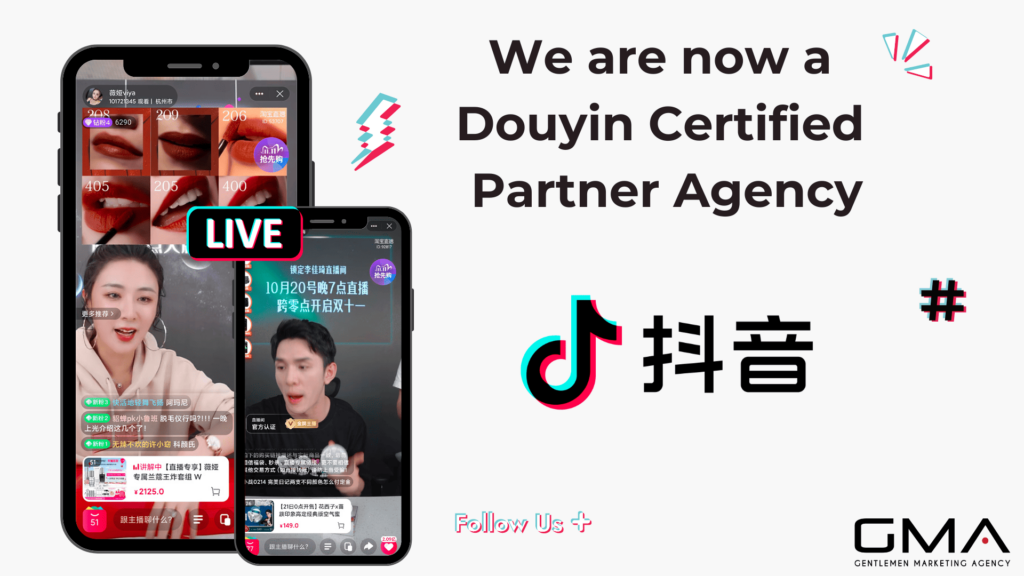
China’s male beauty segment is booming, and the way to the hearts (and wallets) of this demographic is through dynamic, engaging content on Douyin. With our tailored strategies, we ensure that your brand not only gets noticed but becomes a top choice for the Chinese male consumer.
Don’t let your brand get lost in the crowd. Partner with us and leverage the power of Douyin to tap into China’s lucrative male beauty market! Contact us to start using Douyin today!