
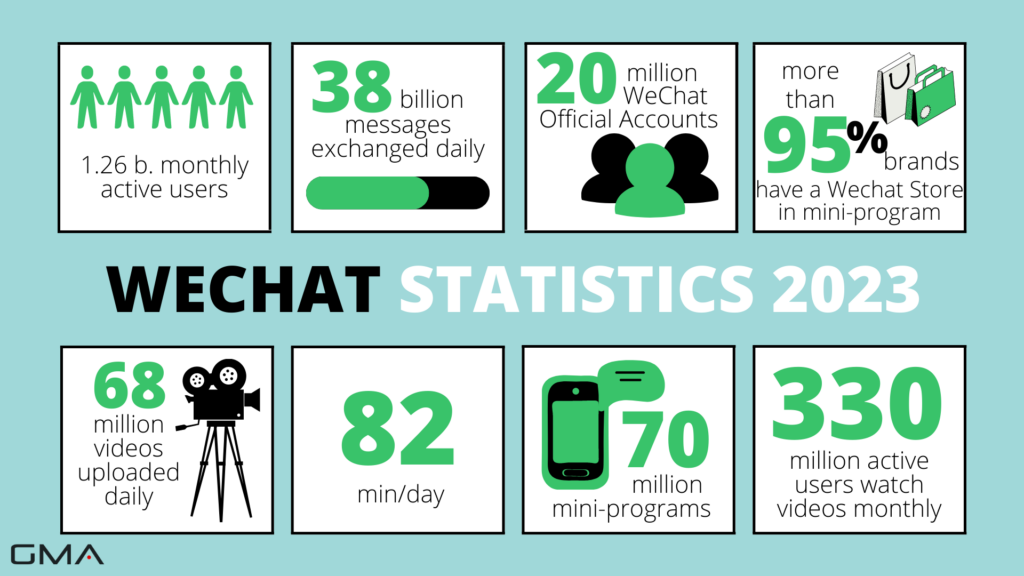
WeChat is a dynamic and ever-evolving messaging app in China that converges with the world of online shopping. Boasting an astonishing 1.26 billion monthly active users, WeChat offers a remarkable gateway for businesses seeking to enter the Chinese market, enabling effortless cross-border transactions and direct delivery of products to customers’ homes.
In this blog post, we’ll explore WeChat eCommerce mini-programs and discover the best ways to develop them for an enhanced online shopping experience.
WeChat Ecosystem: A Game-Changer for Cosmetics Businesses
WeChat, often known as China’s “app for everything,” offers numerous advantages for businesses due to its extensive user base and wide range of functionalities:
- Broad User Base: WeChat is one of China’s most popular social media platforms, providing businesses access to a massive audience.
- Versatility: Beyond being a social media app, WeChat serves as a multi-purpose platform, combining messaging, social media, e-commerce, mobile payment, and more. This versatility allows businesses to perform various operations, from marketing and promotions to sales and customer service.
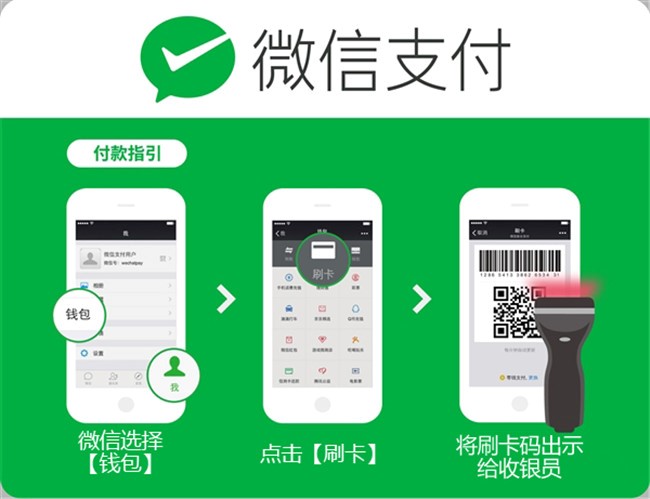
- WeChat Pay: With the integrated mobile payment system, WeChat Pay, businesses can facilitate seamless transactions. This secure and widely-used payment system enhances the ease of making purchases, leading to increased sales conversions.
- WeChat Official Accounts: These accounts enable businesses to establish a brand presence, share content, engage with users, and even conduct direct sales to followers.
- Mini Programs: WeChat’s Mini Programs act as ‘sub-applications’ within the platform, offering advanced features like e-commerce with a WeChat store, task management, and coupons without requiring users to leave the app.
- Customer Relationship Management (CRM): WeChat allows businesses to interact directly with customers through messages, which can be automated for frequently asked questions. This opens doors to personalized marketing and improved customer service.
- Location-Based Services: Cosmetics businesses can utilize location-based services to send targeted promotions to users in specific geographical areas, enhancing the relevance of their marketing efforts.
- Data Analytics: WeChat provides businesses with valuable consumer insights, aiding in understanding customer behavior, tracking marketing campaign performance, and making data-driven decisions.
Advantages of WeChat eCommerce for Cosmetics Brands
WeChat app brings forth a multitude of advantages for cosmetics brands too, making it a truly exciting platform. Beyond social and mobile commerce, it empowers brands with robust digital marketing tools, including customer relationship management and targeted advertising capabilities. Even for brands without a physical presence or Chinese business license, cross-border e-commerce is a viable option.
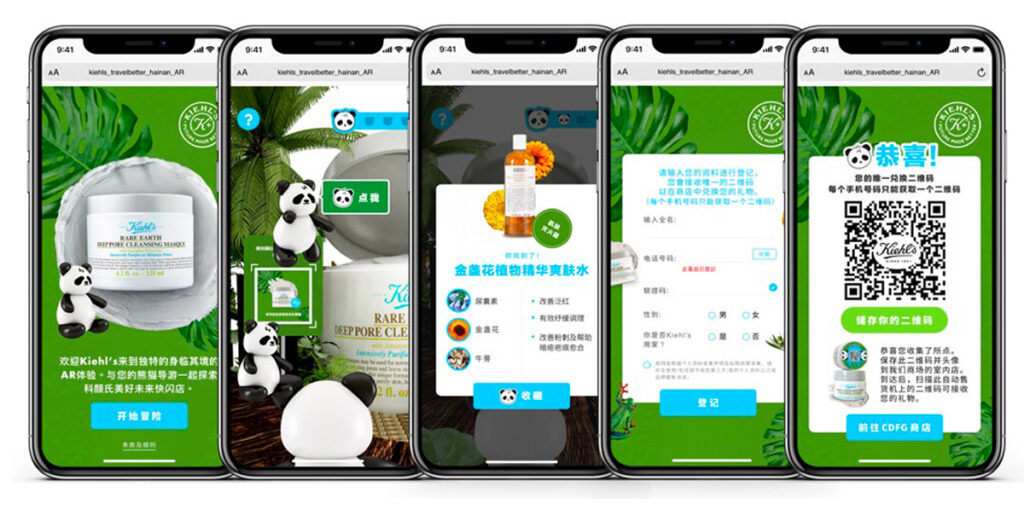
One of the standout features is the WeChat Mini Programs, revolutionizing brand engagement by providing a seamless shopping experience tailored to WeChat users’ convenience.
With the integration of WeChat Pay, purchasing products becomes a breeze, ensuring smooth transactions for customers.
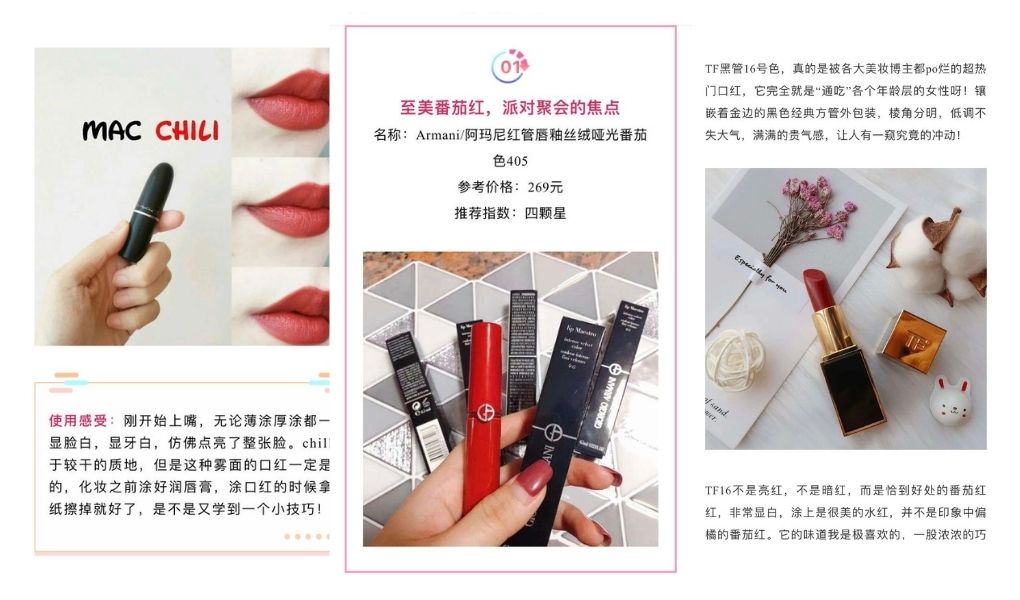
Moreover, leveraging Key Opinion Leaders (KOLs) as influencers offers fantastic promotional opportunities to boost your brand’s presence on the platform. Embrace the power of WeChat eCommerce and unleash your brand’s full potential.
WeChat Features and Tools for eCommerce
Registering a WeChat Official Account for Your Cosmetics Brand
For foreign businesses looking to sell on WeChat, the first step is to register for a WeChat Official Account. This involves providing basic company information and verifying your account with a Chinese ID or sole trader registration.
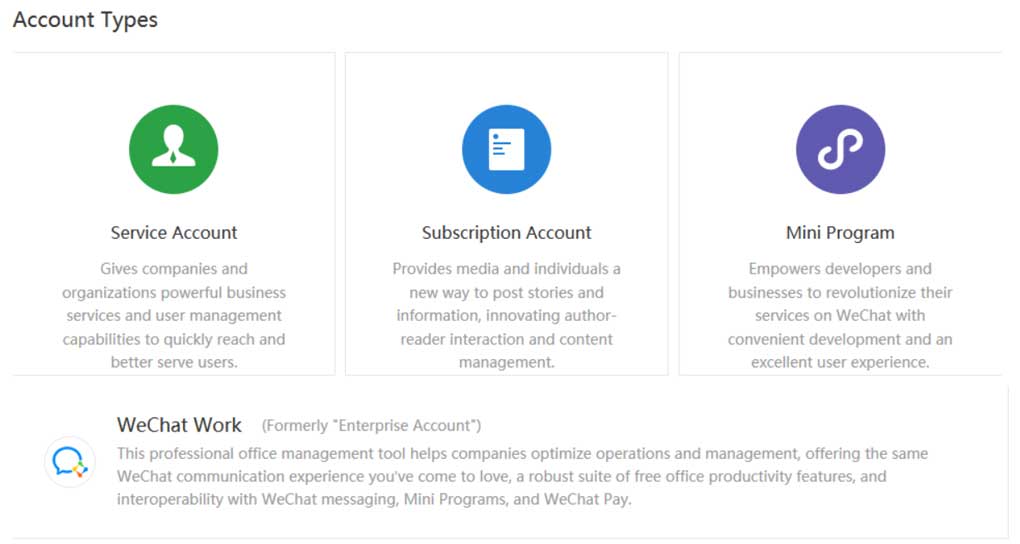
Various Types of Accounts:
- Subscription account
- Service account
- International Registration: If you don’t have a physical presence in China, you can register for an international WeChat Official Account directly through their website using an overseas business license or passport.
WeChat Mini Programs: Elevating E-Commerce and User Experience
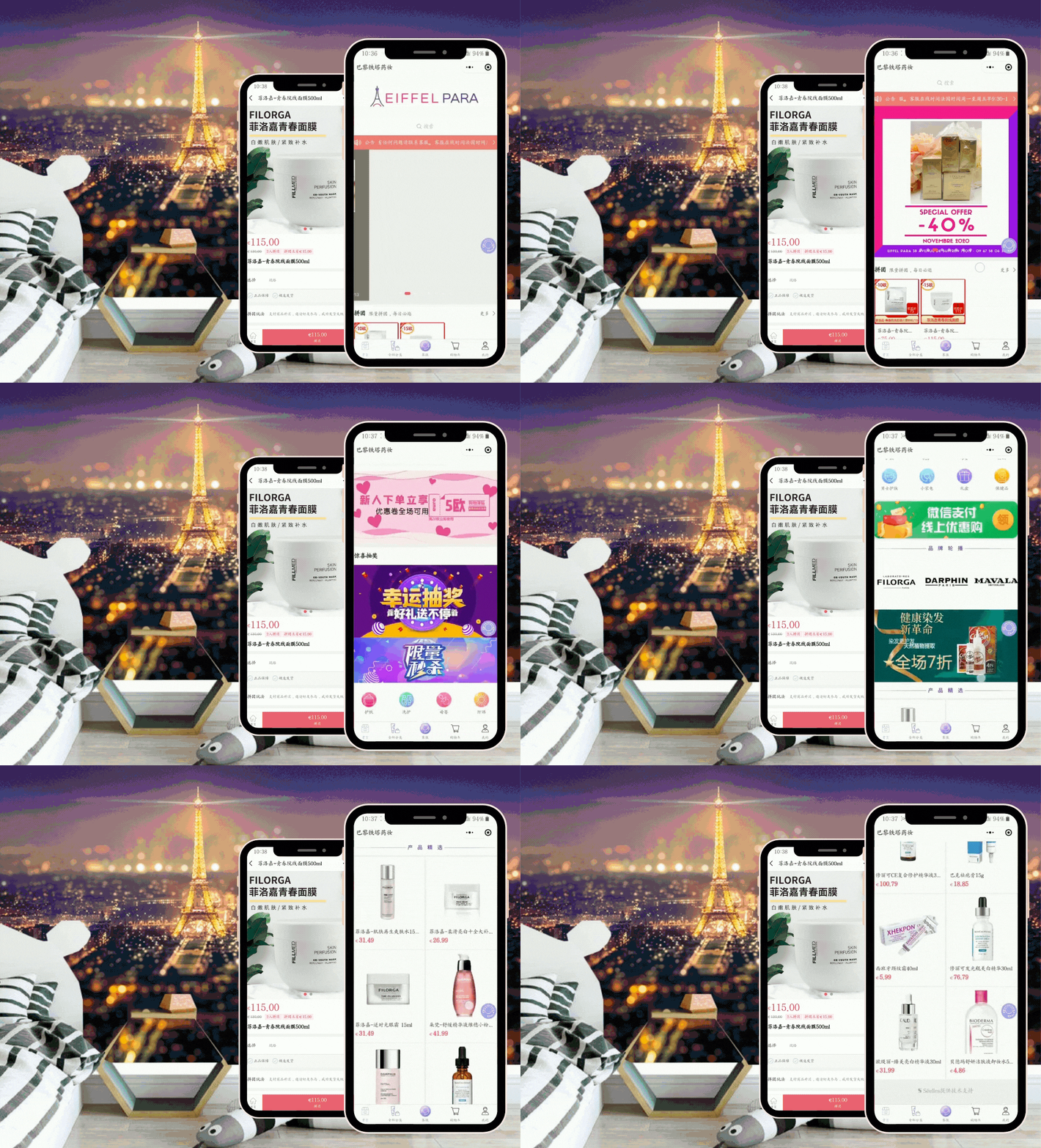
In the dynamic world of digital marketing and online shopping, WeChat mini-programs have emerged as a transformative force for businesses seeking success in the Chinese market. These compact applications seamlessly integrate into the WeChat platform, allowing users to accomplish various tasks without ever leaving the app.
WeChat mini-programs offer unparalleled opportunities for brands to deeply engage with WeChat followers, surpassing the capabilities of traditional mobile apps or standalone websites. Users can access these mini-programs through WeChat influencers’ promotions, WeChat search, QR codes, or WeChat Official Accounts, ensuring high visibility and effortless discovery for potential customers.
Moreover, these e-commerce-focused mini-programs provide smooth integration with mobile payment solutions like WeChat Pay, streamlining transactions and enhancing the overall shopping experience.
Two standout mini-programs that deliver immense benefits are WeChat Stores and WeChat H5 Brochures. WeChat Stores empower brands to sell products directly to consumers, eliminating the need for extensive investments in Chinese e-commerce platforms. Meanwhile, WeChat Brochures provide interactive presentations of brands and products, effortlessly shareable among WeChat friends and groups.
Applying for a WeChat Mini Program
Once you have your official account registered, you can apply for a WeChat Mini Program through the Developer Console in your official account. The application process may take several months and involves submitting your company information and app details for review by WeChat’s development team.
Required Documentation: You’ll need to provide your business license, personal identification documents, and bank account details when applying for WeChat Payment integration.
Setting Up Your Program: Once approved, you can set up your mini-program using the Software Development Kit (SDK) provided by Tencent. Start creating engaging content and optimizing user experience with features like geolocation services and online payment options.
Seamless WeChat Pay Integration: To enable WeChat Pay transactions in your WeChat shop, you must apply for a WeChat Payment account. The application process is completed through Tencent’s official website. This process requires submitting specific documents and information about your business, including valid identification records or Chinese business registration. Once approved, you can integrate WeChat Pay into your mini-program or Chinese e-commerce store, allowing users worldwide to make instant payments.
Crafting an Engaging WeChat H5 Brochure
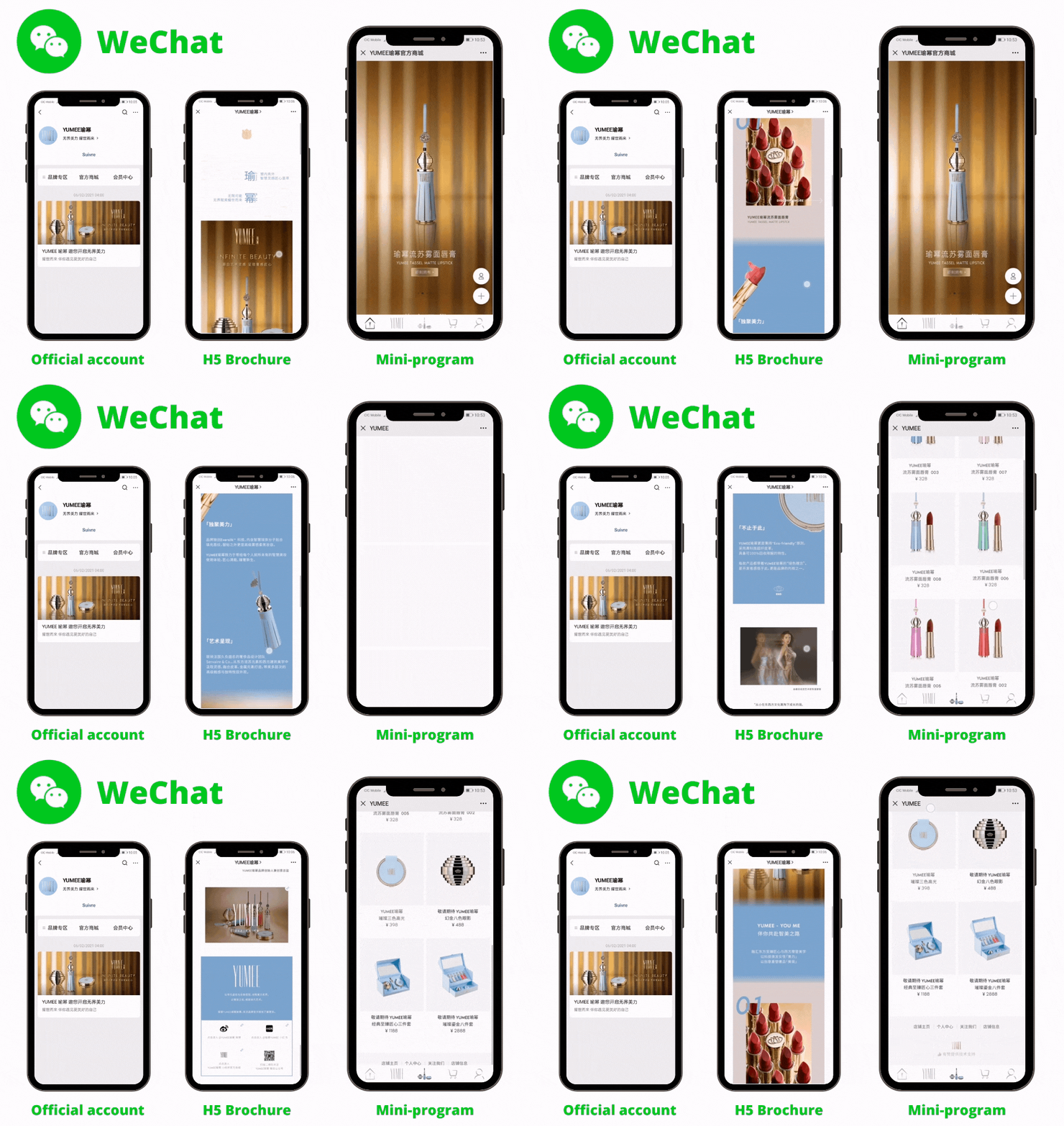
WeChat H5 brochures offer a captivating narrative of your brand, showcasing your services and products in a compelling manner. Similar to creating a WeChat store, designing a brochure is done within mini-programs.
To captivate your audience, focus on crafting interactive and engaging content that effectively represents your brand. Utilize WeChat’s efficient data collection capabilities to tailor your brochure to user preferences.
Start by weaving a captivating story using visual elements like images and videos. Employ concise sentences and bullet points to highlight key product features or benefits.
Leverage customer satisfaction by incorporating testimonials or success stories from previous clients.
For inspiration, take a cue from YUMEE China’s brilliant H5 page, where they promote their cosmetics products. The page seamlessly combines stunning visuals with the convenience of shopping their products directly within the WeChat app.
WeChat Channels are Engaging Audiences with Short-Form Videos
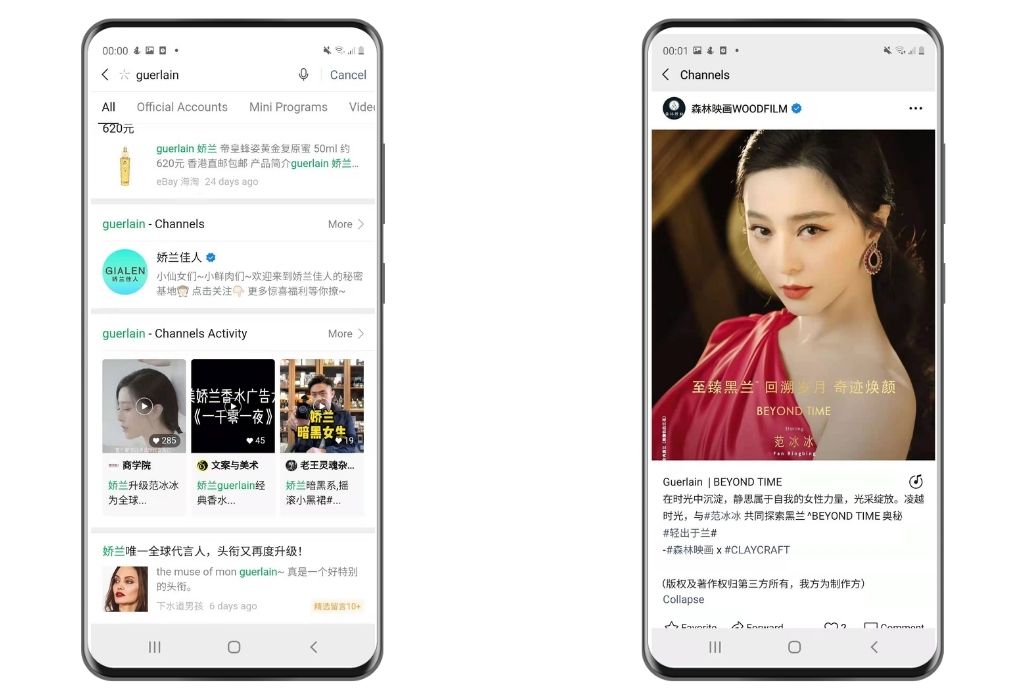
WeChat Channels present an exciting opportunity for brands to captivate their audience through short-form videos, making it an essential tool for WeChat marketing strategy.
Through WeChat Channels, you can entice users with compelling video content that effectively communicates your brand’s story in a concise manner. The platform allows individuals and businesses to launch their WeChat video channels, enabling direct shopping from advertisements.
With Tencent’s continuous improvements to this feature, the potential for growth is promising.
International brands can reap substantial benefits by harnessing the power of WeChat Channels, which bears resemblance to Facebook’s timeline. The introduction of video ads on Channels, shareable among WeChat friends, in July 2022 has further elevated user engagement, making short-video advertising an effective strategy.
Targeted Advertising with WeChat
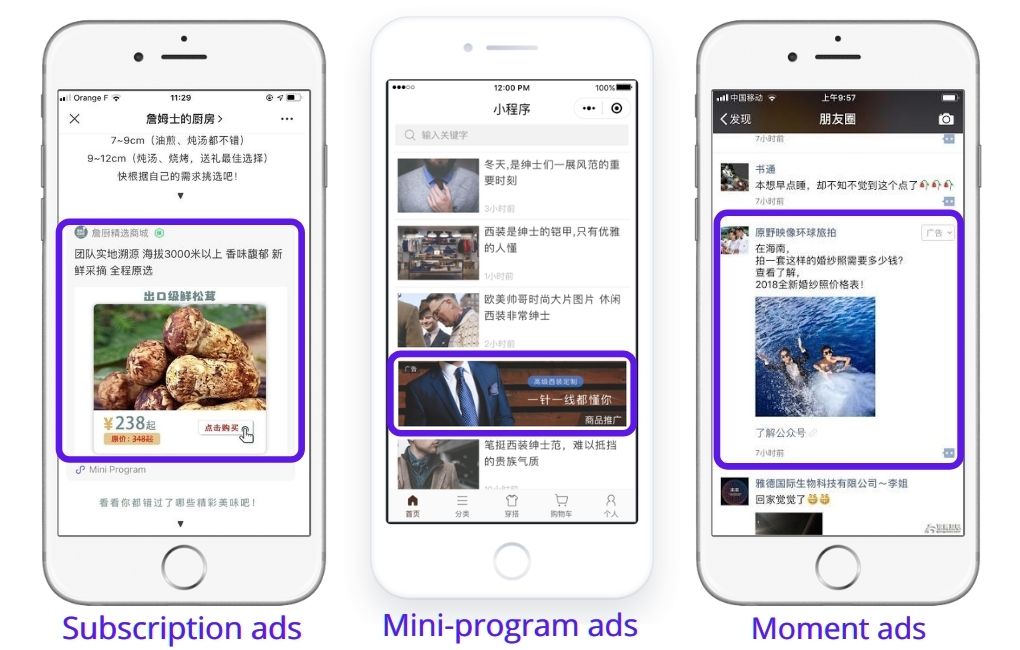
WeChat advertising empowers brands to effectively reach their target audience on the platform. Through options like targeted WeChat ads in users’ timelines, mini-programs, and official accounts, businesses can showcase their products and services to potential customers.
These ads prominently display the brand’s logo and account name, appearing at the bottom of messages from official accounts. Leveraging high-quality user data from WeChat Moment ads or WeChat article ads, marketers can precisely define their target audience based on factors such as age and interests, maximizing the impact of their advertising campaigns.
Case Studies And Success Stories
Dior, the second most preferred luxury brand in China, has revolutionized the e-commerce strategy of the luxury brand, as it bets on WeChat to reach its Chinese customers.
The brand has decided to launch a new chain of sales of luxury brands in China: the marketing of a limited edition of one of its handbags on WeChat. Lady Dior Small China Valentine Bag sold in a few hours by WeChat.
Dior showed that the mobile application of the Tencent group was adapted to the new consumption of luxury in China.
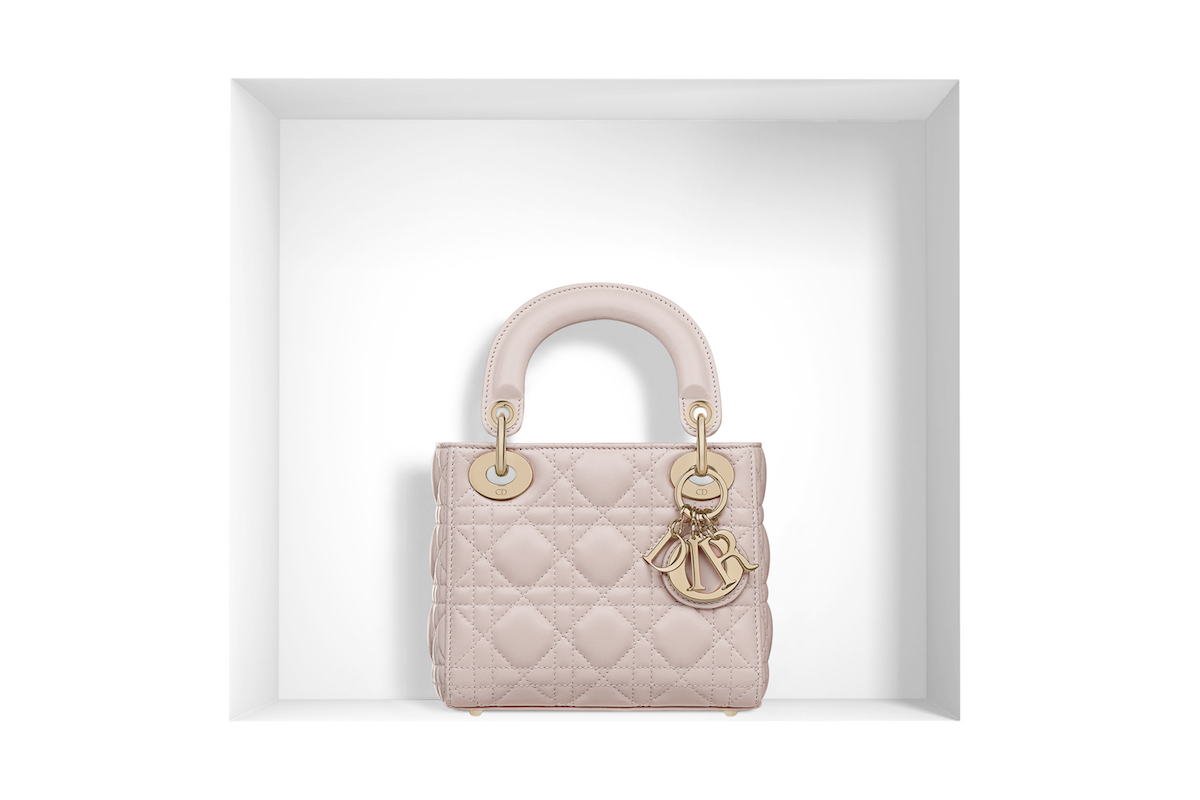
Dior is not the only brand to launch this kind of campaign on WeChat but it remains the first luxury brand to have done it.
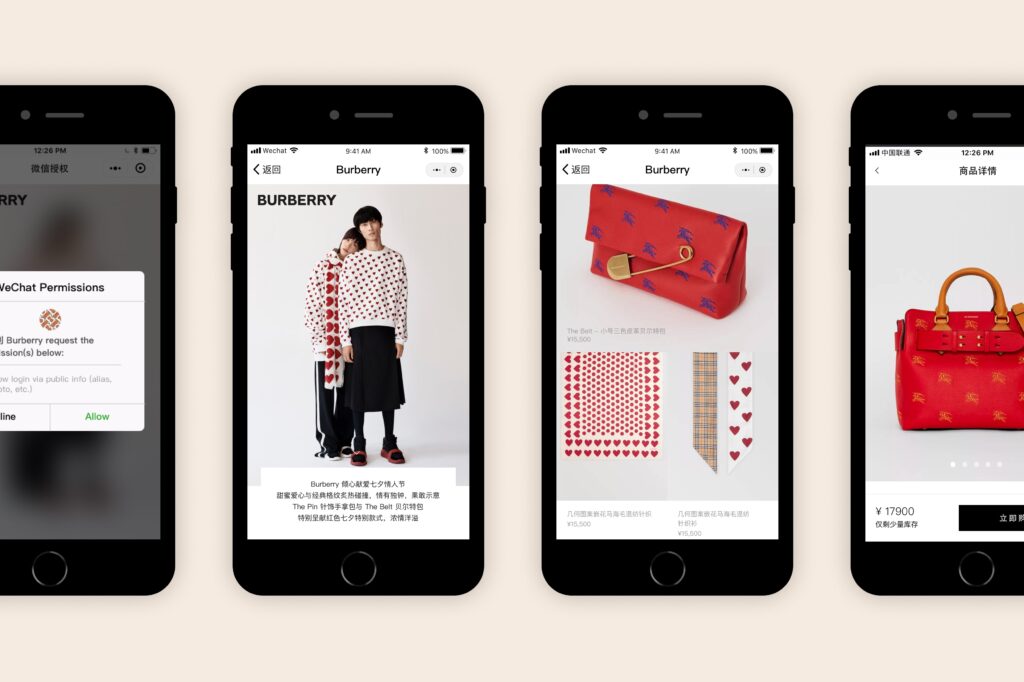
On February 8, 2016, during the Year of the Monkey, symbolizing audacity and innovation in the Chinese horoscope, Burberry joined forces with WeChat.
By choosing WeChat, Burberry targeted Chinese consumers directly. Through the app, customers received virtual gifts that they could unveil by shaking or tapping the image, revealing a personalized greeting message.
Moreover, users had the chance to send personalized messages to their friends and explore Burberry’s catalog of accessories designed for the Monkey Year, complete with a gift-wrapping service.
Burberry also introduced an engaging traffic creation feature, offering internet users a chance to win limited-edition Burberry-stamped envelopes to be collected in-store. This partnership showcased Burberry’s creativity and innovation, solidifying its position as a digitally savvy brand in China.
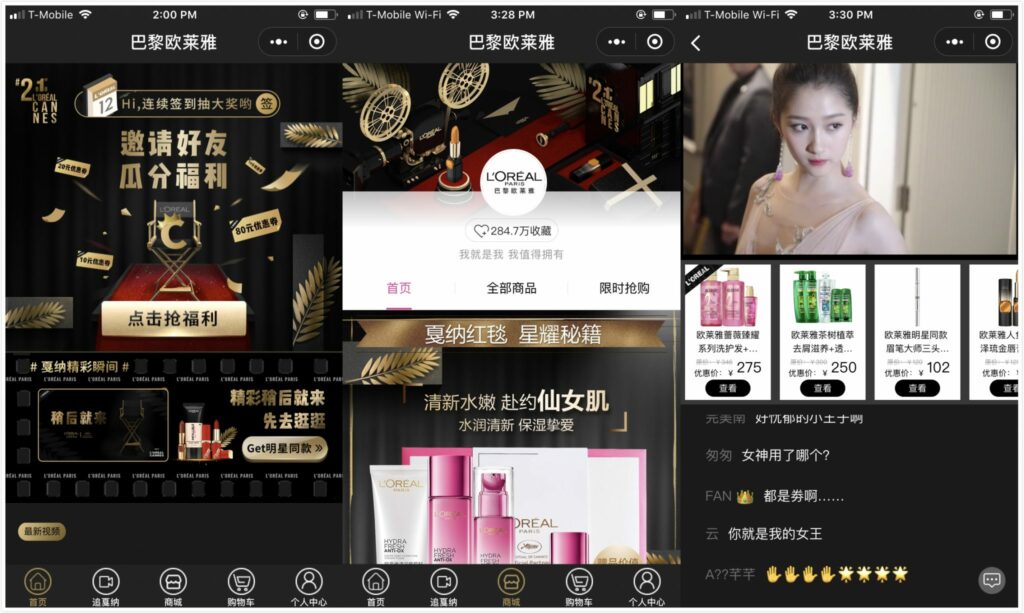
Another illustration comes from L’Oreal Paris, which executed successful Keypersona marketing campaigns by teaming up with prominent beauty influencers on the WeChat platform. This strategic collaboration enabled them to connect with a vast audience of millions of users in China.
These case studies exemplify how WeChat empowers businesses to foster creativity, authenticity, and meaningful engagement, resulting in the acquisition of new customers and significant sales revenue growth across the expansive Chinese market.
Expand Your Reach with Our WeChat Marketing Agency in China
We are a specialized WeChat Marketing Agency based in China, dedicated to providing digital marketing and e-commerce solutions. With a deep understanding of the WeChat platform, we offer cost-effective solutions tailored to Western brands aiming to tap into the vast potential of the Chinese market.
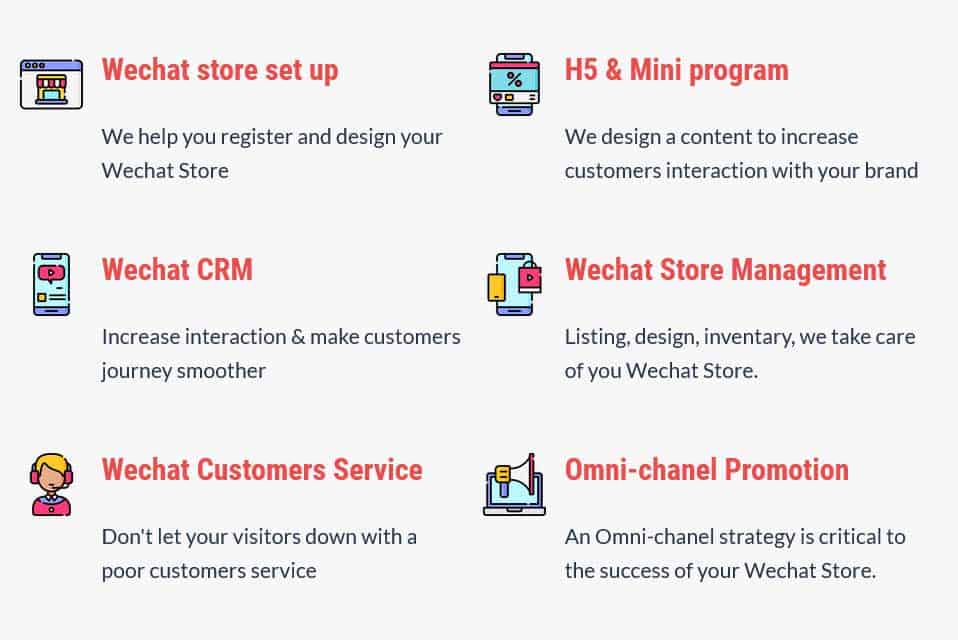
Our expertise includes leveraging WeChat’s powerful features, such as Official Accounts, Mini Programs, Channels, WeChat Pay, advertising, and influencer marketing (KOLs). By utilizing these tools effectively, we help businesses succeed in Chinese e-commerce and connect with consumers both in China and beyond.
Selling on WeChat opens doors to China’s immense consumer market, allowing businesses to overcome language and cultural barriers. The platform’s seamless integration, user-friendly design, and social benefits make it a preferred choice among users.
Our services encompass targeted social media marketing campaigns through influencers and KOLs, enhancing customer engagement and driving sales growth. If you’re interested in exploring the possibilities that WeChat offers for your brand, we encourage you to reach out to us for a free consultation with one of our experts.
We will learn about your brand and present the best strategies tailored to your specific needs on the WeChat platform. Don’t hesitate to leave us a message or contact us to get started.