
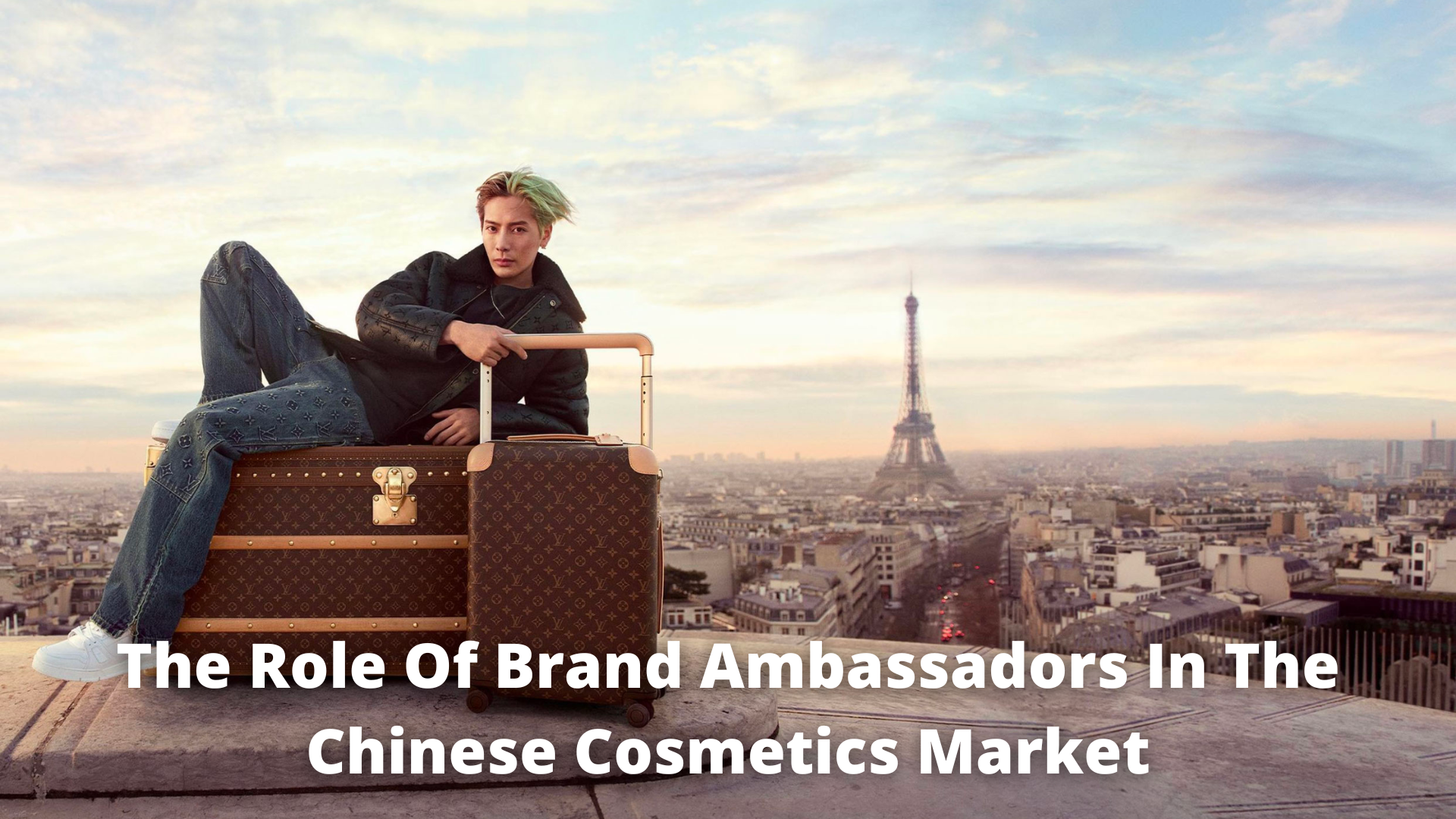
In recent years, brand ambassadors have played a crucial role in shaping the success of cosmetic brands in China. These ambassadors are usually celebrities, influencers, or popular figures who endorse and promote a particular brand’s products.
Brand ambassadors are seen as trusted sources of information and trendsetters. Their endorsement helps build brand credibility and increases consumer trust.
Their impact on consumer behavior and brand perception cannot be underestimated in this highly competitive industry.
Ready to decode the role and importance of brand ambassadors in shaping consumer behavior? Let’s start!
Key Takeaways
- Brand ambassadors play a crucial role in building brand image and reputation, influencing consumer purchasing decisions, and attracting and engaging the target audience in the Chinese cosmetics market.
- Celebrity endorsements by well-known figures such as Key Opinion Leaders (KOLs) can significantly boost a product’s perceived quality, desirability, and word-of-mouth publicity among potential buyers.
- Collaborations between brands and celebrities have been successful in increasing brand awareness, sales, and consumer trust. However, there are risks associated with celebrity endorsements, including scandals that can damage reputation.
- Future trends in brand ambassador marketing for Chinese cosmetics include focusing on authenticity and relatability to establish genuine connections with consumers and emphasizing social media and influencer marketing to reach target audiences effectively.
Importance of Brand Ambassadors in the Chinese Cosmetics Market
Brand ambassadors play a crucial role in the Chinese cosmetics market, as they help in building brand image and reputation, influencing consumer purchasing decisions, and attracting and engaging the target audience.
Building brand image and reputation
In the competitive Chinese cosmetics market, a strong brand image and reputation are more than just buzzwords – they’re the backbone of success.
For instance, many Chinese consumers equate fame with quality, making them inclined to favor well-known brands. That’s where an effective branding strategy comes in handy – it’s all about differentiating your brand to rise above the noise.
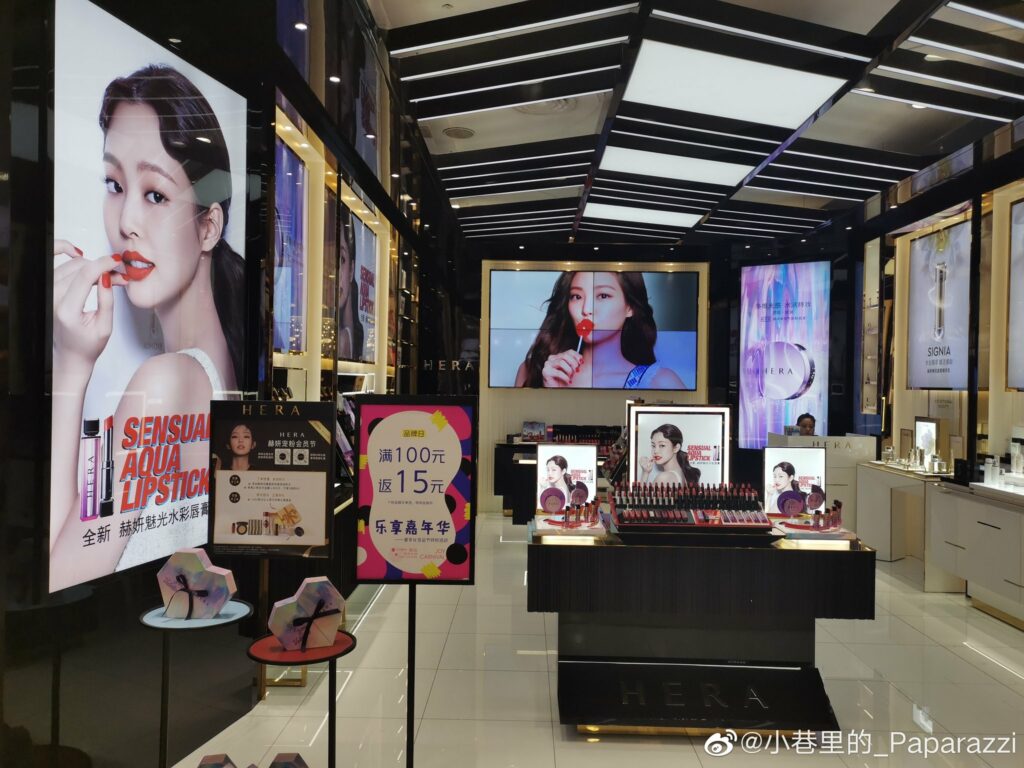
The strategy involves using brand ambassadors who connect with the target market and embody the brand’s values. These ambassadors can help spread the message and improve the brand’s reputation among consumers, particularly young consumers who are currently driving global luxury trends.
Considering the potential use of virtual influencers, despite criticism, could also be beneficial as celebrity endorsements hold significant influence in this context.
Influencing consumer purchasing decisions
Brand ambassadors play a crucial role in influencing consumer purchasing decisions, especially in the Chinese cosmetics market. They go beyond simply promoting a product and instead embody the brand’s personality, becoming synonymous with its values, quality, and appeal.
Key Opinion Leaders (KOLs) are particularly influential in China, as consumers trust their expertise in specific domains, such as luxury beauty products.
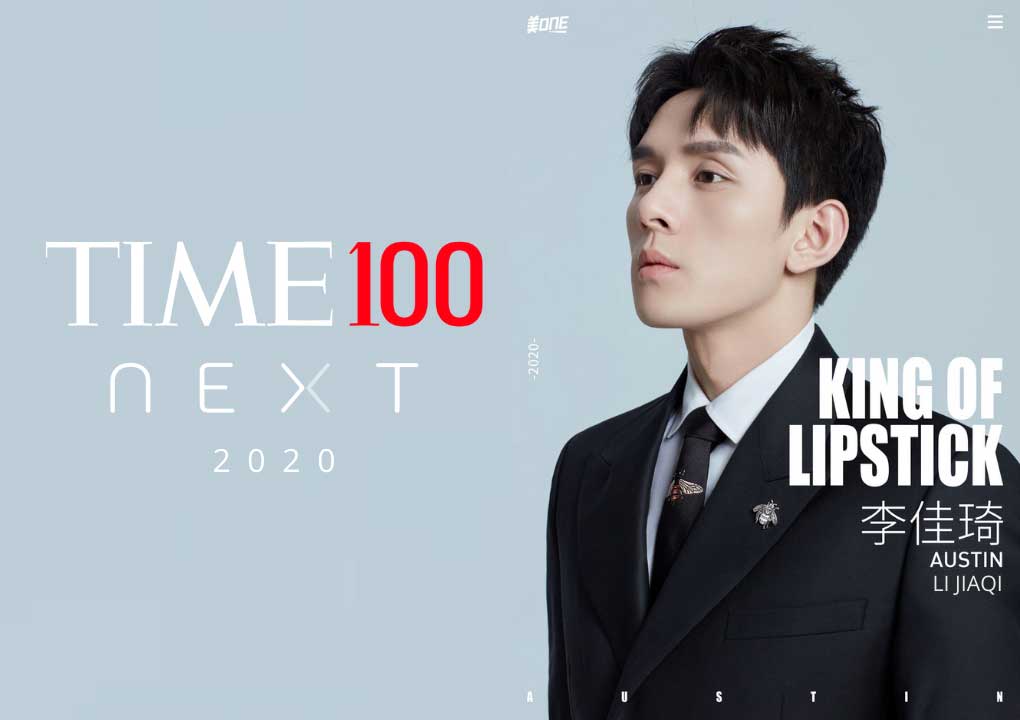
When respected figures endorse a brand or its products on social media or live streaming channels like Taobao, it generates positive word-of-mouth publicity and boosts the perceived quality and desirability of the items.
Attracting and engaging target audience
In the Chinese cosmetics market, having a brand ambassador is crucial for attracting and engaging target audiences.
Your strategy should focus on collaborating with influencers who can increase brand visibility, enhance credibility, and drive sales. Utilizing influencer marketing is especially beneficial for high-end cosmetic brands in China, where digital communication is prominent.
To connect with young Chinese consumers, who are avid followers of public figures and celebrities, appointing these personalities as brand ambassadors can increase their affinity towards your products.
However, it is essential to ensure that your chosen ambassador aligns with your product offering and values. Asian customers tend to prefer sensitive skincare products, making this particularly relevant for the cosmetics industry targeting this region.
Successful Examples of Brand Ambassador Collaborations
Florasis collaborated with Zhou Shen, a popular Chinese singer, to promote their cosmetics line and saw a significant increase in brand awareness and sales.
Florasis x Zhou Shen
Florasis, a disruptive beauty brand, recently collaborated with singer Zhou Shen in the Chinese cosmetics market.
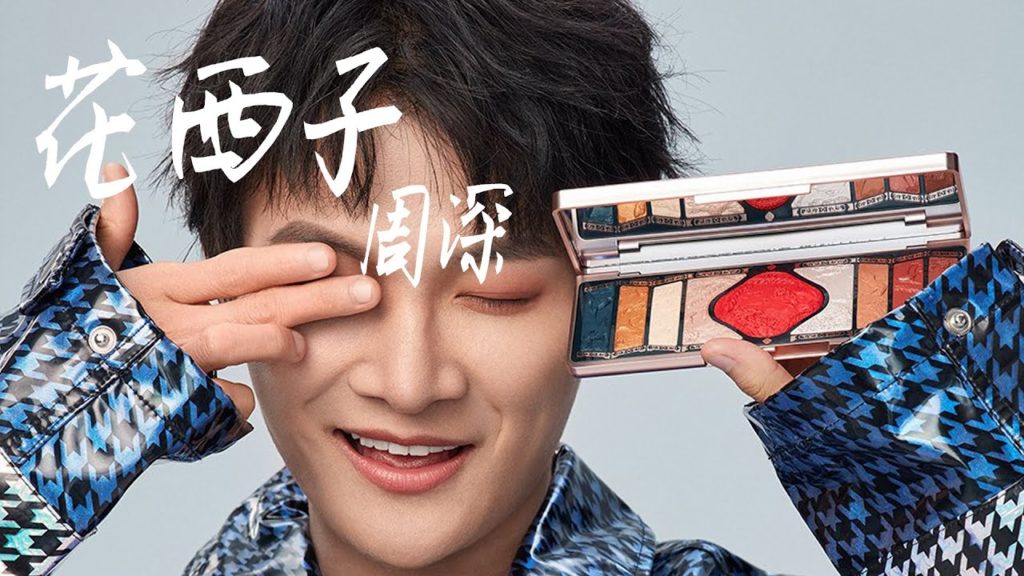
This collaboration caught attention because Florasis chose Zhou Shen as their brand ambassador during the Double 11 Shopping Festival, a significant annual shopping event in China. The reason behind this selection was Zhou Shen’s soft and feminine voice, which perfectly matched Florasis’ identity.
Florasis is known for its unique combination of modern aesthetics and traditional Chinese culture, which sets it apart from other brands.
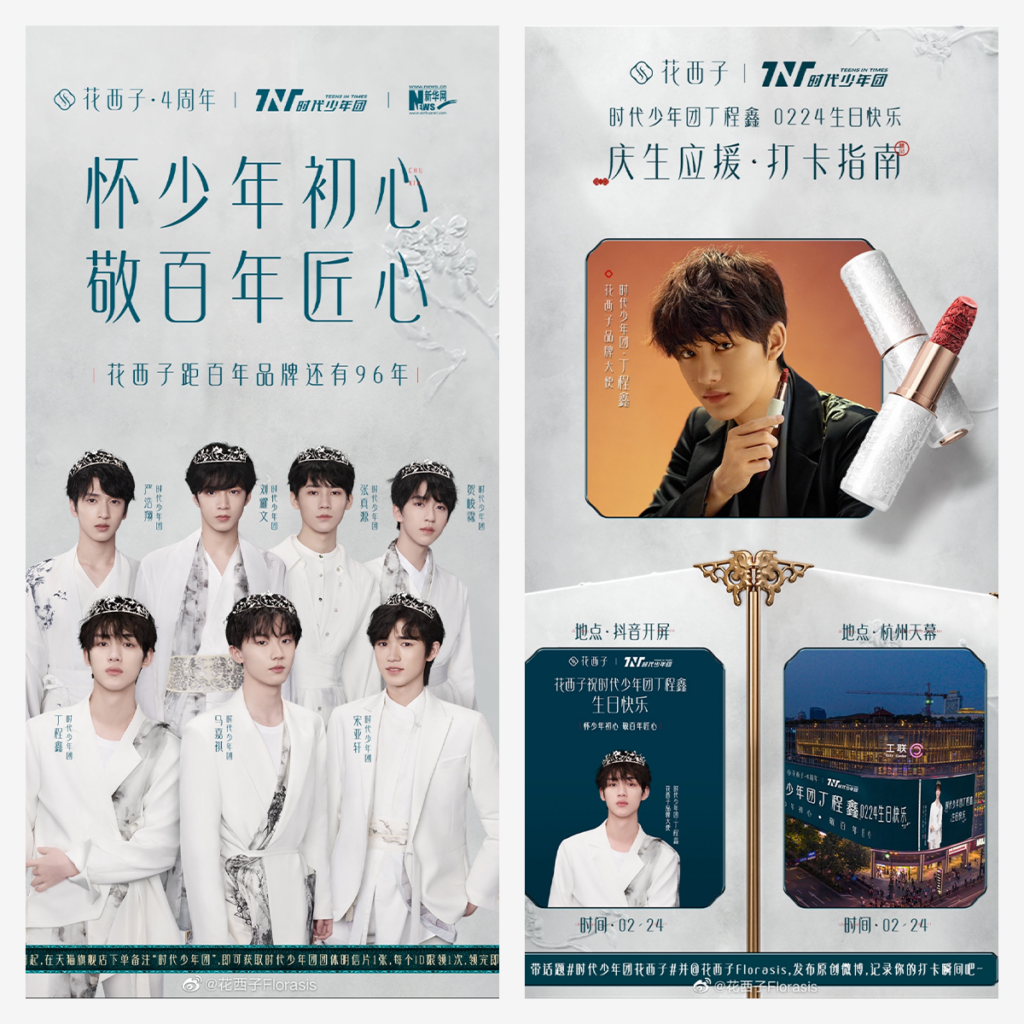
The collaboration between Florasis and Zhou Shen showcases the increasing trend of male celebrities endorsing beauty products in China. With boy band TNT also serving as brand ambassadors, brands are strategically targeting specific customer bases and utilizing celebrity influence to attract them.
Tide Xue Zhiqian and Zhang Yixing endorsement
Tide successfully collaborated with Chinese celebrities Xue Zhiqian and Zhang Yixing to promote its brand as ambassadors. This partnership utilized the celebrities’ large fan base on Weibo to endorse Tide’s products, leading to greater brand visibility and consumer trust.
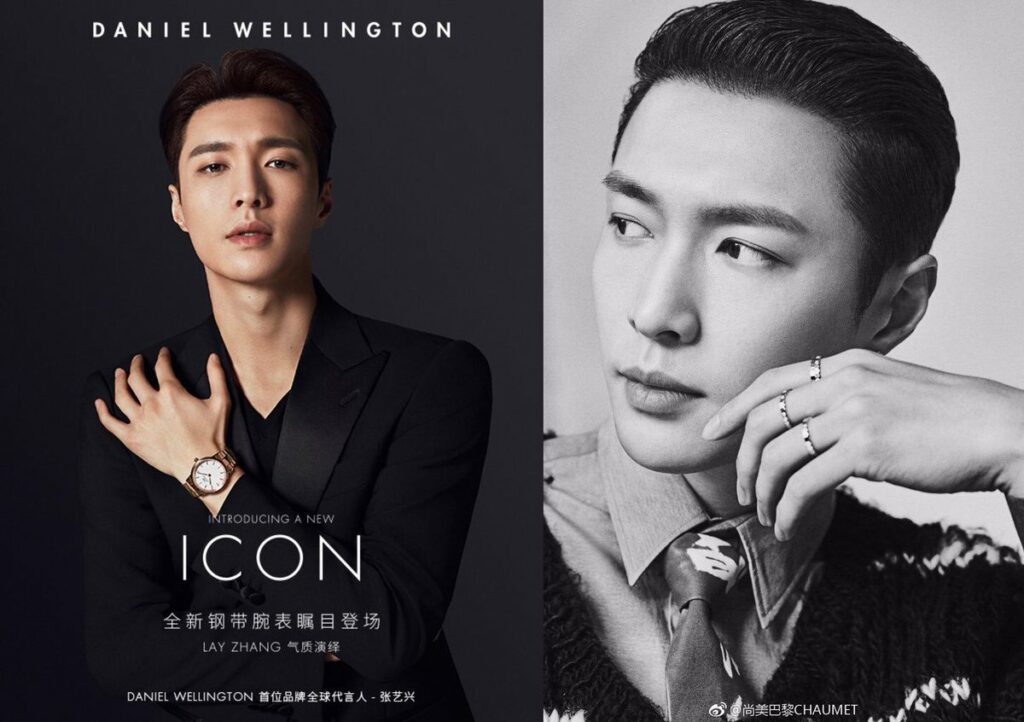
The collaboration demonstrated the effectiveness of using well-known celebrities as brand ambassadors in China’s cosmetics market.
By leveraging the influence and popularity of these celebrities, Tide was able to attract and engage its target audience, ultimately influencing consumer purchasing decisions in a positive way.
Such examples highlight the importance of strategic partnerships with influential personalities to build brand image and reputation in the Chinese cosmetics market.
Louis Vuitton and Gong Jun
Louis Vuitton’s partnership with Chinese celebrity Gong Jun is a successful example of a brand ambassador collaboration in the Chinese cosmetics market. Gong Jun, a popular TV series actor, was appointed as the brand ambassador for Louis Vuitton, Armani Beauty, L’Oréal, and Elizabeth Arden in March 2021.
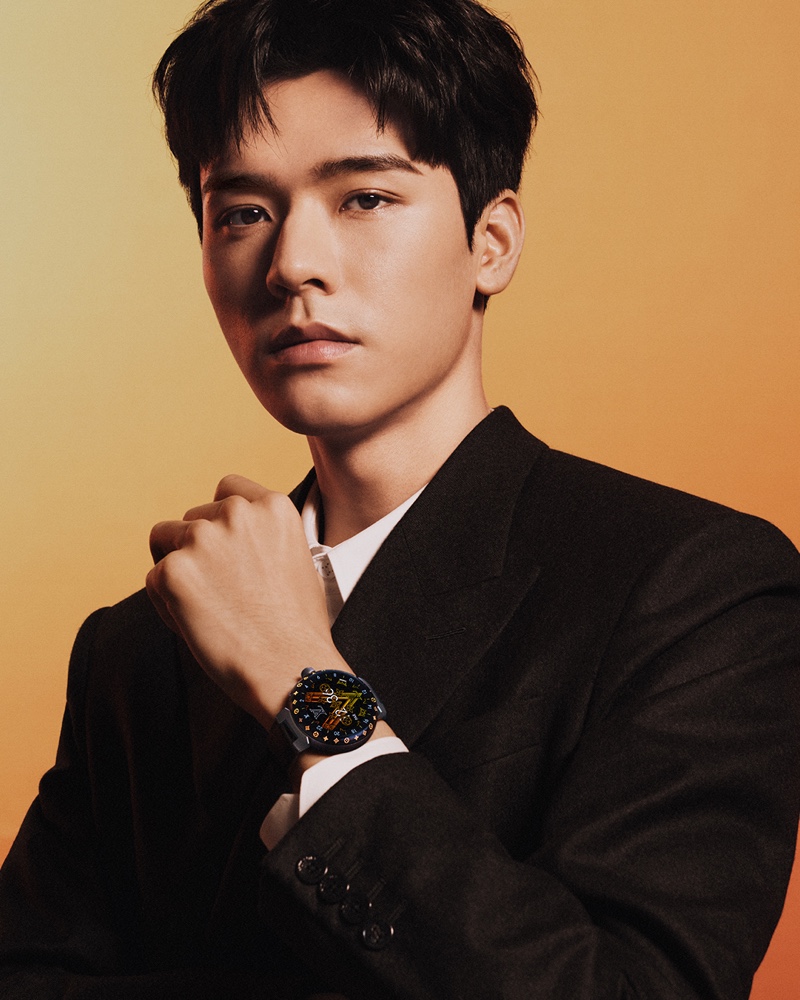
This collaboration highlights the recognition of luxury brands like Louis Vuitton of the influence Chinese celebrities have in connecting with their target audience and effectively conveying marketing messages.
It not only helps build Louis Vuitton’s brand image but also attracts local consumers who prefer local brands. The use of celebrity spokespersons as brand ambassadors is a growing trend in the market, with both international luxury brands and niche brands utilizing this strategy to capture
Risks and Costs of Celebrity Endorsements in China
Celebrity endorsements in China come with risks and high costs, as scandals can damage reputation and returns may not always match the investment. However, understanding these risks is crucial for successful brand ambassador collaborations.
Scandals and reputation damage
One important aspect that emerged when discussing the role of brand ambassadors in the Chinese cosmetics market is the potential risks and costs associated with celebrity endorsements.
Scandals involving these celebrities can lead to reputation damage for both the individual and the brands they endorse. Take for example Xiao Zhan, a popular Chinese actor whose scandal had a significant impact on the brands he represented.

Trustworthiness and reputation play a major role in how effective these celebrity endorsements are, so it’s crucial for companies to carefully consider their choices when selecting brand ambassadors.
High costs and potential returns
In the Chinese cosmetics market, celebrity endorsements play a significant role due to the strong influence that celebrities have on consumer purchasing behavior.
Although partnering with popular Chinese celebrity ambassadors can be expensive, it provides great opportunities for brands to enhance their brand image and attract target consumers.
Chinese consumers are crucial for brands looking to succeed in China, as they are driving the global luxury market. By collaborating with well-known celebrity ambassadors, companies can tap into their fan base and utilize their popularity to increase brand visibility and credibility.
However, it is essential to carefully select ambassadors who align with your brand values and have an authentic connection with your target audience.
Consumers want to see real stories and genuine connections between celebrities and products they endorse. Additionally, partnering with rising Chinese idols can help brands tap into new audiences who may be more receptive to their products.
Future Trends in Brand Ambassador Marketing for Chinese Cosmetics
The future of brand ambassador marketing in the Chinese cosmetics market emphasizes authenticity, relatability, and collaborations with rising idols for increased consumer engagement and loyalty.
Emphasis on social media and influencer marketing
In today’s digital age, social media and influencer marketing are crucial for brands in the Chinese cosmetics market.
Platforms like Xingtu and Douyin offer content solution packages that help businesses engage with their target audience through key opinion leaders (KOLs) and influencers. This is especially important as young women in their 20s drive sales in the cosmetics industry.
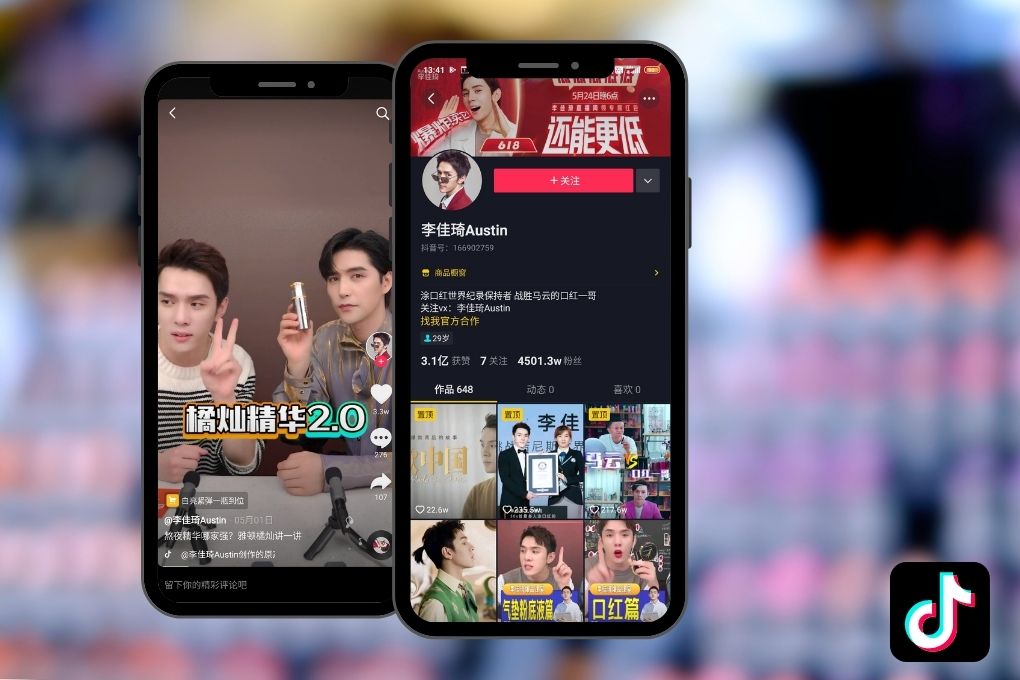
By partnering with beauty influencers who have a strong following on these platforms, brands can increase visibility, promote new products, and enhance their overall appeal.
Sponsorship tags on social media also allow influencers to seamlessly recommend products, boosting brand awareness and consumer trust.
Collaborations with rising Chinese idols
Collaborating with rising Chinese idols is a popular trend in brand ambassador marketing for Chinese cosmetics. These young celebrities have immense popularity and influence among Gen-Z, making them ideal for promoting cosmetic products.
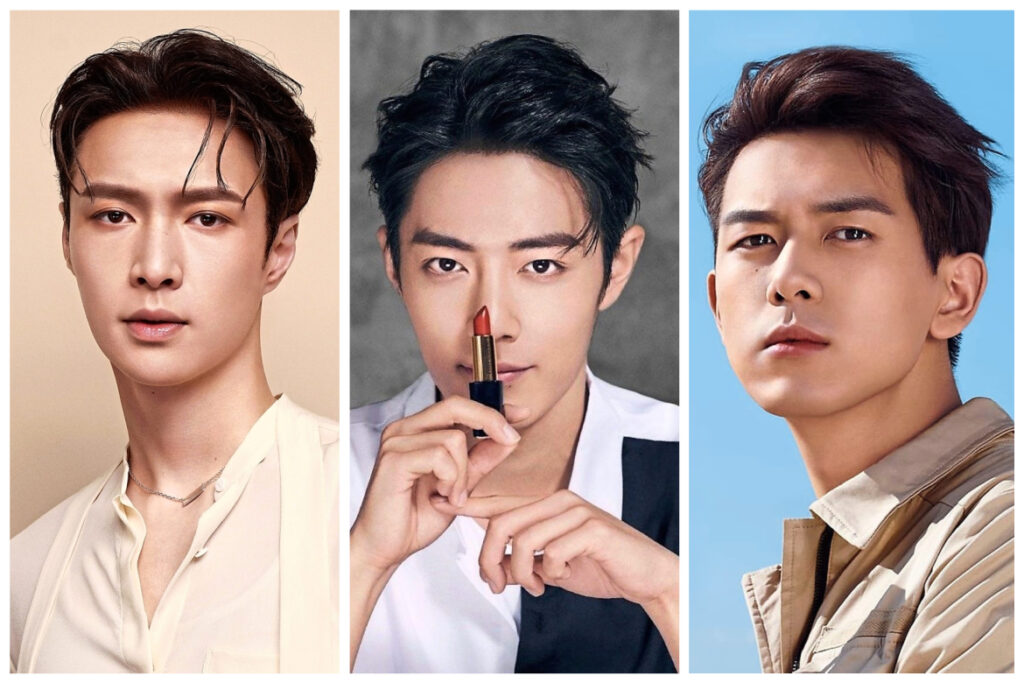
By partnering with them, brands can tap into their large online followings and leverage their fashion-forward image to attract their target audience. This collaboration helps brands stay relevant in the fast-paced world of pop culture trends.
However, with the idol industry undergoing changes, it’s important for brands to carefully evaluate potential ambassadors based on their current popularity and influence in the market.
We Can Help You With Influencer Collaborations!
Brand ambassadors play a vital role in the Chinese cosmetics market by building brand image, influencing consumer purchasing decisions, and attracting the target audience.
Despite potential risks and costs, collaborations with celebrity influencers have proven successful in promoting beauty brands.
As the industry continues to evolve, emphasizing authenticity and relatability, leveraging social media and influencer marketing, and partnering with rising Chinese idols will be key strategies for future brand ambassador marketing in China’s dynamic cosmetics market.
Collaborating with an agency specialized in the Chinese market is the best way to achieve your goal and increase your Return On Investment. As all companies are different, the marketing and advertising strategy must be tailored according to their needs and within their financial means.
Proud of the success of the companies we have helped over the years, we know exactly what a certain company needs.
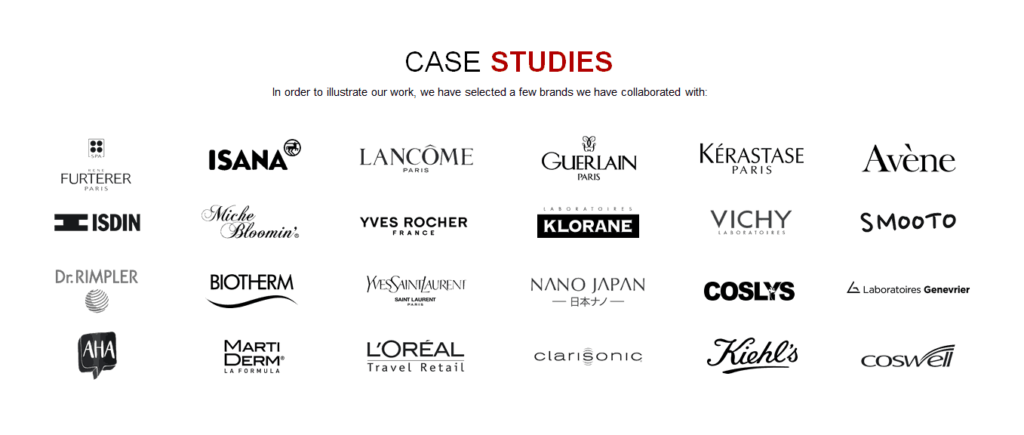
Thus, if you have questions about selling, advertising, exporting, etc. your cosmetics in China, contact us directly, and we will reply to you within 24 hours.